Search Results
730 results for “dog red eyes”
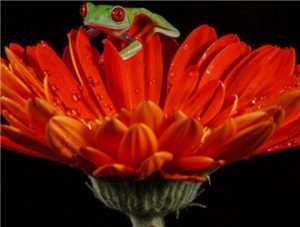
Red-eyed Tree Frog
The iconic big-eyed, green-and-orange hylid of Central American rainforests - fully nocturnal and a live-food specialist. An amphibian, not a reptile.
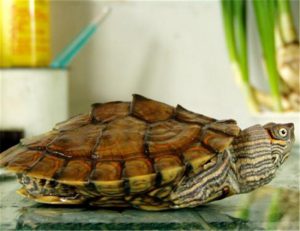
Graptemys pseudogeographica (False Map Turtle)
The false map turtle is a map turtle that is less commonly kept than sliders, needing clean water and a quiet environment. It is omnivorous but especially loves shrimp, and is distinguished by bright yellow markings behind the eyes.

Squamous Cell Carcinoma in Dogs and Cats
Squamous cell carcinoma is a skin tumor of the epidermal layer linked to long-term sun exposure and other skin irritation. It is the second most common skin tumor in cats and favors the head, ears, lips, and nose. Wide surgical removal is the main treatment, though it often recurs.

Optic Neuritis in Dogs and Cats
Optic neuritis is an inflammatory condition of the optic nerve that can cause sudden, often bilateral blindness in dogs and cats. The underlying cause is frequently unknown but may follow ocular trauma or infection, and prompt veterinary care is needed to protect vision.

Toad Poisoning in Dogs and Cats
Toad poisoning occurs when dogs or cats bite toads or lick toad eggs, skin secretions, or venom on wounds. Signs include heavy drooling, vomiting, irregular heartbeat, and seizures. Immediate flushing of the mouth and urgent veterinary treatment are critical.

Warfarin (Anticoagulant Rodenticide) Poisoning in Dogs and Cats
Warfarin is an anticoagulant rodenticide that blocks vitamin K, so poisoned pets bleed internally and may die suddenly or bruise easily. Vitamin K1 and, in severe cases, transfusion are the core treatments.

Arsenic Poisoning in Dogs and Cats
Arsenic compounds are extremely toxic and cause severe haemorrhagic gastroenteritis with later nervous-system and marrow signs. Removing the toxin and chelation therapy are the basis of treatment.

Zinc Metabolism Disorders in Dogs and Cats
Zinc metabolism disorders in dogs and cats include zinc deficiency, stunted growth, diarrhea, and a crusting dermatitis around the eyes, mouth, and genitals, and zinc excess, causing lethargy, vomiting, and gut inflammation. Deficiency is corrected with dietary zinc and a balanced ration.

Copper Metabolism Disorders in Dogs and Cats
Copper metabolism disorders in dogs and cats include copper toxicity, acute shock or chronic liver disease with anemia and ascites, and copper deficiency, causing anemia, bone and joint disease, and faded coat color. They are managed by correcting dietary copper and treating liver disease.

Choline Deficiency in Dogs and Cats
Choline deficiency in dogs and cats, an anti-fatty-liver nutrient, causes fatty liver, poor growth, and a bone deformity known as perosis with joint swelling and unsteady gait. It is corrected by adding choline to a complete diet.