Search Results
730 results for “dog red eyes”
Does More Eye Discharge After Changing Dog Food Mean the Food Is Bad?
Extra eye discharge after switching dog food does not automatically mean the food is low quality — it can be a mild adjustment reaction, a food intolerance, or something unrelated like blocked tear ducts or an ear infection. Some foods are high in salt, and if your dog drinks little, this can cause 'inner heat' with more discharge, bad breath, and dry stool. Rule out the food by checking the label, watching overall health, and if discharge is thick, colored, or lasts over a week, see a vet.
Watch Out: Common Food Allergens for Dogs
Common dog food allergens include beef, chicken, dairy, grains (wheat, rice, corn), legumes, lamb, and eggs; reactions can show as skin redness, itching, rashes, hair loss, soft stool, diarrhea, vomiting, eye redness, tearing, sneezing, or runny nose, and in severe cases can be fatal. To find the culprit, start with an ultra-hypoallergenic commercial diet, then add one new ingredient at a time and watch for 1–2 weeks, stopping any that triggers symptoms.

Is It Normal for a Dog to Be Very Quiet in a New Home?
Most dogs are quiet when they first arrive because the unfamiliar smells, people, and sounds cause stress and anxiety; they usually settle within 5–7 days. Help by offering a calm, cozy spot, a steady routine of feeding and walks, and avoiding over-handling. But if the quiet comes with no eating or drinking for over 24 hours, lethargy, vomiting, fever, or diarrhea, it may signal illness and needs a vet.

What Are the Signs That a Dog Feels Guilty?
A guilty dog often lowers its head, avoids eye contact, stiffens its body, pins its ears back, and tucks its tail, and may try to appease you with frantic licking or by offering a toy. This guide explains the common signs of canine guilt and how to correct misbehavior with positive reinforcement rather than punishment.
How to tell if a dog has a cold or distemper?
A cold comes from chills with cough, sneeze, runny nose/eyes, low appetite; rarely fever. Distemper brings fever over 40°C, severe appetite loss, lethargy, even vomiting/diarrhea. Confirm fast with a distemper test strip and blood count.
Cat and Dog Tear Stains: Understanding the Causes and Managing Them at Home
Tear stains are a common frustration for owners of flat-faced breeds and many other cats and dogs. They are rarely a single mystery illness; instead they usually trace back to blocked tear ducts, ear problems, allergies, or diet. The right fix depends entirely on the underlying cause. This guide walks through the main reasons pets develop reddish-brown staining, what each pattern looks like, and the at-home steps—gentle cleaning, ear checks, allergy control, and diet tweaks—that keep stains from returning. Knowing the cause is the first step to clearer, healthier eyes.
What Colors Can Dog Eyes Be?
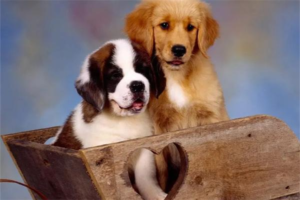
Dog eye colors vary widely: brown, black, and blue are most common, while green and gold are rarer, and some dogs show heterochromia, or two different-colored eyes. Color is genetic, but age, health, and environment can change it over time. Puppies are born with light eyes that darken with age. Whatever the shade, each pair is unique, so watch and care for your dog's eyes, cleaning them regularly and seeing a vet at the first sign of trouble.

Causes and Treatment of Eyelid Entropion in Dogs
Eyelid entropion is a common eye problem in dogs, often caused by genetics and eye disease. The right treatment depends on how severe it is, and with proper care it can be controlled and managed. Mild cases are usually treated with medication, while severe entropion needs timely surgery. Keeping the eyes clean helps reduce the chance of entropion developing.

How to Show Your Dog You Love It (in a Language It Understands)
Dogs may not speak, but their emotional world is rich. Brain-imaging work at Emory University shows a dog's brain reacts to its owner's voice and scent in areas similar to where humans process emotion, so your affection is a real signal your dog can feel. You can speak its language through soft eye contact (which raises oxytocin in both of you), calm pressure-petting, high-engagement play, frequent praise, leaving a scented item in its bed, and keeping a predictable routine. These small daily acts lower stress and deepen the bond far more than words alone.

What to Know Before Dyeing Your Dog’s Coat
Dyeing a dog's coat is trendy on social media, but done wrong it can harm your pet. Only use dyes made specifically for dogs to avoid harsh chemicals; confirm the skin and coat are healthy first, and skip it for short-haired dogs, whose skin dyes easily irritate. Prep by washing the coat, apply the color carefully away from the eyes and mouth, respect the timing, and rinse gently with a mild pet shampoo. Watch for redness, itching, or breathing trouble afterward and see a vet at once. When in doubt, leave the dye job to a professional salon.