Search Results
1383 results for “dog not eating”
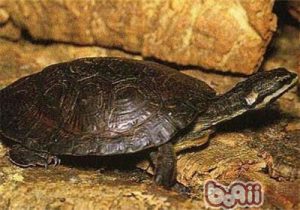
Phrynops williamsi
Phrynops williamsi, also called the Masked Toadhead Turtle, is a side-necked turtle from South America that loves basking and is semi-aquatic in the wild. Lively and relatively easy to keep, it remains uncommon in captivity and is found mainly as wild-caught individuals.

Geometric tortoise
The Geometric Tortoise (Psammobates geometricus) is a rare, strikingly patterned South African tortoise protected as endangered. Extremely sensitive to humidity and a challenge to keep alive in captivity, it is best appreciated in the wild or by experts.

Gopher Tortoise
The Gopher Tortoise (Gopherus polyphemus) is a burrowing land turtle of the southeastern United States, strictly herbivorous and protected by law due to its small wild population. Famous for digging deep burrows (11–15 m), it needs a dry, sandy outdoor enclosure with plenty of sunny space.
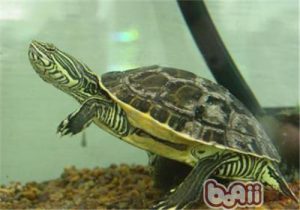
Eastern Chicken Turtle
The Eastern Chicken Turtle is uncommon in China, as its plain appearance is not popular, and as a tropical species it is rare in cold regions.

Northern Ornate Box Turtle
The Northern Ornate Box Turtle is a desert-dwelling box turtle of the genus Terrapene, found in the United States and Mexico. Highly drought-tolerant, it stores water well and endures arid conditions better than other box turtles.

Emydoidea blandingii (Blanding’s Turtle)
Blanding's turtle is a semi-aquatic turtle of the Great Lakes region, gentle and cold-hardy, with a smooth black helmet-shaped shell and a yellow hinged plastron marked with black blotches. It is omnivorous and adapts well to captivity.

Canine and Feline Gastrointestinal Adenoma (Polyps)
A gastrointestinal adenoma, also called a polyp, is a benign gut growth seen more often in dogs than cats and can appear anywhere in the digestive tract. Surgical removal usually cures it, though rectal polyps tend to return.

Canine and Feline Eosinophilic Granuloma
Eosinophilic granuloma is an inflammatory skin and lip lesion seen mainly in cats, starting as a small smooth depression on the upper lip and spreading into a thickened, ulcerated, red swelling. It is managed with anti-inflammatory and immune-modulating therapy rather than surgery.

Canine and Feline Oral Squamous Cell Carcinoma
Oral squamous cell carcinoma is an aggressive, invasive tumor of the mouth lining in older dogs and cats, usually appearing as a firm, ulcerated white mass on the gums, tongue, or palate. Treatment options are limited and the prognosis is generally poor.

Canine and Feline Infectious Oral Papillomatosis
Infectious oral papillomatosis is a benign viral wart of the mouth caused by a papillomavirus and spread by direct contact, mainly in young dogs. The growths usually regress on their own within a few weeks, though large numbers can interfere with eating.