Search Results
506 results for “dog nose care”

Chinchilla laniger
The Chinchilla laniger (Chinchilla laniger) is native to the Andes Mountains of South America, where it lives in caves and rock crevices at about 1,600 m elevation. Its appearance resembles that of a rabbit and a squirrel. A special feature is its pair of large, bright, ruby-red eyes, which are beautiful.

Caring for a Chinchilla
Chinchillas are delicate vegetarians that often die from wrong food and heat. Choose a healthy, calm youngster, house it in a plastic-free cage at 8–25°C, feed a hay-based diet, and keep its environment quiet and let it clean itself in dust baths.
How to tell if a gray Poodle is purebred?
A pure gray Poodle is born black; with age the coat fades from the muzzle to back, chest, and legs. Aside from color, length, leg length, eye spacing, and face match a normal Poodle. Compare with a purebred photo. If unsure black vs gray, wait until 4-5 months when features stabilize. Choose ones with big bone, round head, big eyes, short nose, more coat.

Think Twice Before Getting a Chow Chow — Unless You Can Live With These Traits
Chow Chows are an ancient, lion-coated breed that is clean, quiet, and loyal, but they are far from easy to keep. Their stubborn independence makes training and walks a challenge, and as a short-nosed breed they overheat easily, drool, snore, and shed heavily while needing costly, careful grooming. They suit calm, experienced owners with patience, space, and budget — not first-time dog parents seduced by the cute 'grumpy' face.
Why Are Beagles Given Up So Often?
Beagles are rehomed so often because they bark loudly, need 1–3 hours of exercise daily, are food-obsessed and stubborn, and prone to separation anxiety. With daily outings and early training they can be wonderful, devoted companions.
A Practical Guide to CoQ10 Supplements for Pets
CoQ10 is a nutrient concentrated in heart-muscle cells that fuels the heart and fights oxidative damage, which is why veterinarians often suggest it alongside cardiac care for aging or at-risk pets. With demand up, product quality varies widely, so owners should judge a supplement on stated content, safe source, credentials, and smart pairings rather than marketing. This guide covers what CoQ10 does, how to pick a quality product, and the dosing and safety points—including who benefits, how much to give, and which drugs it must not be mixed with. CoQ10 supports care; it never replaces prescribed heart medication.
CoQ10 for Pets: Why Adequate, Well-Absorbed Dosage Matters
Many owners dismiss pet CoQ10 as a gimmick, and with reason: an under-regulated market let weak products ship before they were ready, so finding a real, safe, high-potency supplement was hard. The science is sound, though. CoQ10 lives in the mitochondria, drives cellular energy, and neutralizes free radicals that damage the heart. Pets over about 5–7 years, obese animals, high-risk breeds, and those already diagnosed lose CoQ10 reserves fast, and diet alone barely replaces it—hence panting after a short walk, night coughs, or low energy. The key is adequate, well-absorbed dosage; micro-dosing is only comfort. This article explains who needs CoQ10, what “real” formulation looks like (transparent content, third-party testing, yeast-derived sourcing, combined heart–lung nutrients), and safe daily use.

Choosing a CoQ10 Supplement for Your Pet’s Heart
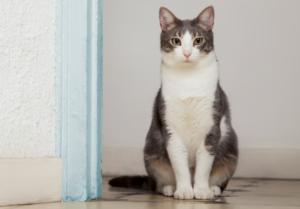
Pets past about seven years old decline fast, and heart disease is among the highest-risk threats: mitral valve disease and dilated cardiomyopathy in dogs, hypertrophic cardiomyopathy in cats. Early signs—night coughing, panting, purple tongue, exercise intolerance—often mean Stage B2 or C, so the B1–B2 window is the time to act. Alongside prescribed medication, many veterinarians suggest a pet CoQ10 supplement for energy and antioxidant protection. But with crowded shelves, how do you choose? This guide explains what a quality formula should deliver: transparent, well-absorbed dosage; a heart–lung–vessel support blend (rhodiola, krill, astaxanthin, taurine, vitamins, grape powder, folate); palatability and safety for long-term use; and which pets benefit most.
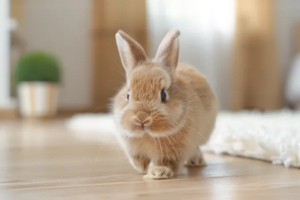
Do rabbits bond with their owners?
Yes - over time a well-cared-for rabbit feels safe and may actively nuzzle the owner's hand. But rabbits are not very smart, so a change of owner won't sadden them like a dog or cat.
Pet CoQ10 Supplements Reviewed: Picking One That Genuinely Supports Heart Health
CoQ10 is a popular supplement for pets with heart conditions, but it supports heart function rather than curing disease. It helps the heart muscle generate energy, mildly slows heart failure, and supports immunity and vitality. Yet the market is full of weak or mislabeled products—industry figures suggest most pet CoQ10 labels either understate or omit the actual content, and some use industrial-grade raw materials. When choosing a supplement, look for verified CoQ10 content (ideally backed by independent testing), natural fermentation sources, and a clean antioxidant formula, matched to your pet's age, breed risk, and symptoms. Used alongside veterinary treatment, a quality CoQ10 can be a valuable part of heart care.