Search Results
506 results for “dog nose care”

Canine Infectious Hepatitis: Can It Be Treated
Canine infectious hepatitis is an acute, often severe viral disease of dogs caused by canine adenovirus type 1 (CAV-1). It spreads through urine, saliva, and nasal discharge and hits weaned puppies hardest, sometimes with no warning signs. Typical signs include a fever that rises then falls, lethargy, vomiting, diarrhea, and a characteristic cloudy "blue eye" in about a quarter of recovering dogs. While there is no direct cure that eliminates the virus, most dogs recover with prompt supportive care such as fluids, liver protection, and antibiotics to control secondary infection. The good news is that the disease is highly preventable through routine vaccination, with puppy shots given at 8-9 and 10-12 weeks and annual boosters for adults.

What Is Canine Herpesvirus Infection
Canine herpesvirus type 1 causes an acute, often fatal disease in young puppies. Adult dogs usually carry the virus without signs, but newborns can die within a day of infection. Because treatment is poor once signs appear, warmth and supportive care, plus prevention, are what matter most.

What to Check When Buying a Purebred Poodle Puppy
Purebred and mixed poodles can look very similar as puppies, so choosing a healthy, well-bred young dog takes a careful eye. Beyond coat and conformation, the real signals of a good puppy are its skin, eyes, body, family history, and vaccination record. Here is a practical checklist before you bring one home.

Symptoms of Canine Distemper: Early, Middle, and Late Stages
Canine distemper is a highly contagious, often fatal viral disease that mainly strikes unvaccinated puppies, with death rates up to 90 percent in young dogs. The virus, which survives for weeks when frozen but breaks down at 50 to 60 C, spreads by contact and airborne droplets and appears as respiratory, digestive, neurologic, or skin forms. Early signs are lethargy, fever of 39.5 to 41 C, eye and nose discharge, sneezing, and diarrhea; the middle stage adds pus-like discharge, vomiting, and appetite loss; the late stage brings neurologic signs such as paresis, ataxia, and seizures. Diagnosis uses test kits, blood work, and PCR, and care focuses on vaccination, immune support, and symptom control.

Treatment for Corneal Ulcers in Cats
A vet diagnoses a cat's corneal ulcer with a full eye exam and fluorescein staining, though finding the cause can be tricky. Possible triggers include abnormal lashes, eyelid faults, dry eye, feline herpesvirus, and uveitis as a complication. A thorough exam, stain test, tear test, and cultures pin down size, depth, and infection so the right treatment can start.

What Is Pancreatitis in Cats?
Pancreatitis is inflammation of the pancreas, the organ that makes digestive enzymes and insulin. When those enzymes activate in the wrong place, they digest the surrounding tissue and cause serious illness. Cats may show poor appetite, lethargy, diarrhea, vomiting, and belly pain. The disease can be life-threatening, especially in older or weak pets, and may become chronic or trigger diabetes. Treatment centers on fluids, antibiotics, and anti-vomiting care, often in hospital.

When Your Pet’s Heart Is Weak: CoQ10 as Part of the Plan
Heart problems are the quiet killers of pet health — by the time a dog pants after a short walk, coughs at night, breathes from the belly, or shows purple gums, heart failure may already be mid-stage and medication-only. CoQ10 is not a cure, but it is far from a placebo: it powers heart contraction, acts as a strong antioxidant, and declines with age. This guide covers the warning signs, the breeds at risk, and how CoQ10 fits into a real care plan.
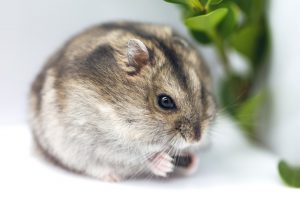
Winter White Dwarf Hamster
The Winter White Dwarf Hamster (Phodopus sungorus), also called the Djungarian hamster or Russian dwarf, is the easiest and tamest of the small hamsters and turns white in winter. A solitary species, it needs a safe cage, a wheel, and a careful diet free of onion, chocolate, and apple seeds. Lifespan 2–3 years.

Anglo Mink
The Anglo Mink is the domesticated pet ferret (Anglo / Marshall lines) kept as a companion animal. Intelligent, gentle, and easy to litter-train, it is heat-sensitive and mischievous when unwatched, needs a large wire-free cage and 4+ hours out daily, and eats a meat-based diet (30–35% protein, 15–20% fat). Lifespan 8–12 years.

LionHead Rabbit
The LionHead Rabbit is a small, gentle pet rabbit named for the ruff of long fur around its head that looks like a lion's mane. Originating in Belgium and bred in the Netherlands and US, it is sturdy and clean, needs daily coat care and a wire-free cage, and lives 5–7 years.