Search Results
213 results for “dog malnutrition”
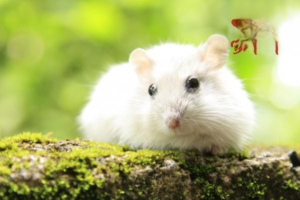
What to Do with Newborn Hamster Pups
Hamsters breed far more often than cats or dogs thanks to a high conception rate. After birth, keep the mother undisturbed and warm, separate the father at once, and boost the dam's protein and calcium; handle pups only with care since your scent can trigger rejection. For orphaned litters, bottle-feed goat's milk formula every 2–3 hours.

Essential Items for Pet Owners
Owning a pet is not just a trend but a form of companionship that enriches life. So what do you need to care for a pet?

How Much Cat Food Should a Cat Eat Per Meal?
As an owner, you're never quite satisfied with your cat's appetite. Two meals a day seems too little—is it enough? Here's how much a cat should actually eat.

A Cat’s Nutritional Needs and Feeding Standards
A cat's nutrients are the same six classes as other animals: water, protein, carbohydrate, fat, vitamins, minerals. But cats are obligate carnivores needing high-protein food; low protein kills appetite. Active cats may need more animal fat for energy. Cats also need taurine, vital to vision—deficiency badly hurts night vision.

Do Pets Really Need Dental Cleaning?
Dogs/cats get full teeth by 4-5 months; beyond kibble, owners add cans/snacks. More food, more tooth test; soft wet food sticks, uncleaned corrodes teeth, causing disease. So after full teeth, regular cleaning.

How to Keep Pets Warm in Winter
Winter came a bit late but hard; Shanghai is turning cold. Notice your fur kid burrowing into bed, by the heater, in your arms.

Symptoms of Canine Roundworm Infection
Puppies get roundworm very often, usually because deworming is not done on schedule, and partly due to diet. Severe infection can be fatal, so owners must take it seriously. Here are the symptoms.
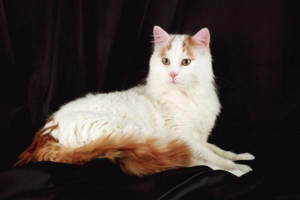
Common Mistakes New Cat Owners Make
Today we share some common mistakes new cat owners make. Be sure not to fall into these traps.

What Is a Normal Animal Body Temperature
Temperature is a basic, important sign in diagnosis. As one of three vital signs, its range reflects the animal's state. Here is the basics.

Feline Primary Hepatic Jaundice
Feline primary hepatic jaundice is directly caused by too much bilirubin in the blood, which happens when the liver's metabolism or excretion goes wrong. Many things can disrupt liver metabolism - here is the breakdown.