Search Results
213 results for “dog malnutrition”

Lice Infestation in Dogs and Cats (Pediculosis): Symptoms, Treatment, and Prevention
Lice are external parasites that cling to the skin and coat of dogs and cats, causing itching, hair loss, and skin irritation, with heavy infestations leading to anemia and poor condition. They are species-specific and controlled with parasiticides plus environmental cleaning.

What to Do When Dog or Cat Vaccination Fails
Measures to address vaccine failure in dogs and cats, covering nutrition, maternal antibodies, parasites, health status, medication, storage, and scheduling.

Treatment of Chronic Kidney Failure in Dogs
Treatment of chronic renal failure (CRF) in dogs must be based on the severity, cause, secondary diseases, and other factors your veterinarian analyzes beforehand. The ultimate goal is supportive care while treating and eliminating infection, dehydration, and malnutrition. This article outlines the treatment options and home care.

How Inflammatory Bowel Disease in Dogs Is Diagnosed
There are many causes of IBD in dogs, such as ordinary enteritis from improper diet, parasite-driven enteritis, and viral enteritis that generally needs antiviral treatment. This article explains the in-depth diagnostic workup used to confirm IBD.

What to Do When Your Dog Is a Picky Eater
Picky eating often starts with table scraps and home-cooked meals. Fix it by separating human food from kibble, scheduled feeding with a 10-15 minute window, more exercise, and puzzle feeders, and get the whole household to stick to the plan.

Why Has Your Dog’s Coat Gone Hard?
Coarse, hard fur usually points to skin trouble from parasites, missing nutrition, or wrong washing. Fix the skin, balance the diet, and use a proper pet shampoo.
Do Cats or Dogs Have More Parasites?
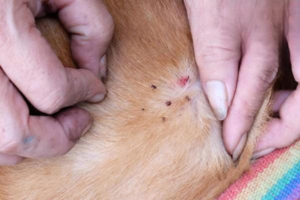
Cats and dogs share most parasites, so neither has 'more'; the load depends on environment and health. Roundworms, hookworms, tapeworms, and others cause real harm, and a regular deworming schedule keeps them down.

Pet Skin Diseases (Part 1): Parasitic and Fungal Infections
Skin disease is common in dogs and cats and tends to flare up and recur, usually because their skin defenses are weak and their surroundings are full of triggers. The two hardest types to clear are external-parasite infestations (fleas, lice, mites, ticks) and fungal infections (ringworm); both cause intense itching, hair loss, and skin damage and need treatment of both pet and environment. Since they are contagious and slow to resolve, early veterinary care and consistent parasite control are the keys to recovery.

How to Feed and Raise a Tibetan Mastiff
Don’t rear a Mastiff on meat alone — it causes malnutrition and gut upset; skip cow’s milk (lactose diarrhea) and chicken bones (sharp shards); use balanced commercial food on a fixed schedule with clean water.

How to Care for a Poodle
Small Poodles have a more delicate constitution, so diet demands care: always provide fresh water, switch foods gradually over a week, feed on a fixed schedule, and choose a balanced natural kibble. Home-cooked meals need experience to get the nutrition right.