Search Results
213 results for “dog malnutrition”
How can I help a Schnauzer gain weight?
A thin Schnauzer may be malnourished or parasitized; feed rich protein, fat, vitamins, and minerals. Increase meals in small frequent amounts to avoid indigestion. If soft stool, bloated abdomen with thin limbs, odd appetite, or dry coat appear, see a vet for parasites or disease.
My Corgi is almost four months old but only weighs 4.8 pounds; is that normal?
A four-month Corgi at 4.8 pounds is on the thin side, possibly from mixed breeding with a smaller dog or from health issues like malnutrition, parasites, or endocrine disease. Try regular deworming and extra protein, vitamins, and fat. If weight does not increase, see a vet.
How can I fatten up a thin Papillon mix?
A thin Papillon mix may have parasites, poor nutrition, weak digestion, or illness. Feed rich, balanced food in small frequent meals and encourage play for digestion. A vet check rules out parasites, gut, or endocrine issues.
Why are my Husky’s front legs trembling and weak?
A Husky's front-leg trembling and weakness may be caused by malnutrition, neurological disease, insufficient exercise, trauma, or pain. Some neurological diseases in Huskies can cause symptoms such as muscle weakness and trembling. In addition, if the Husky develops muscle problems like injury, inflammation, or atrophy, it can also lead to front-leg trembling and weakness. Malnutrition, fatigue, overexercise, or aging may also be the cause. If the trembling and weakness persist or worsen, take the dog to a veterinary hospital promptly for an examination to determine the specific cause and provide appropriate treatment.

Turkish Angora
The Turkish Angora, named for Turkey's capital Ankara, is one of the oldest long-haired breeds, dating to the 16th century. Elegant with silky, medium-length coat and almond eyes, it is agile, independent, and famously fond of water. Once nearly supplanted by the Persian, it was revived in the US from 1963 and is now carefully bred to preserve its pure bloodline.
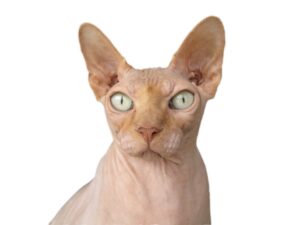
Sphynx
Sphynx (details)

Korat
The Korat cat, also called the Korat or Si-Sawat, originates from the Khorat Plateau in northwest Thailand and is an ancient breed. Introduced to the US in 1959 and recognized by American cat lovers in 1965, and by Britain 10 years later. Its coat, like the Russian Blue and Chartreux, is solid blue with no shading or pattern, with a silvery sheen, and it has a unique heart-shaped face.

Tonkinese
The Tonkinese, also known as the Vietnamese cat, is not from Vietnam but a purebred short-haired breed produced by crossing the Siamese with the Burmese, first appearing in North America in the 1930s. With pointed coloring softer than the Siamese and a short, silky coat like the Burmese, the Tonkinese is famously affectionate, active, and people-oriented.

Birman
The Birman, also called the sacred cat of Burma, is a medium-sized cat with the Latin name Birman. Although now distributed worldwide, legend says they once lived only in Myanmar and were kept by temple monks; because they guarded the hall, they are considered temple guardian cats.

Abyssinian
The Abyssinian, also called the rabbit cat, Ethiopian cat, or Abyssinian, has the English name Abyssinian and is now distributed around the world. People usually judge a cat's origin by its name, but the Abyssinian's origin seems somewhat distant from Abyssinia. Abyssinia is the old name for Ethiopia, yet many believe the Abyssinian comes from ancient Egypt.