Search Results
50 results for “dog belly rub”

Desert Cottontail
The Desert Cottontail is a typical wild rabbit distributed across North America. Hardy and numerous, it eats various vegetation and can survive in harsh environments. It digs burrows and usually likes to live in them.
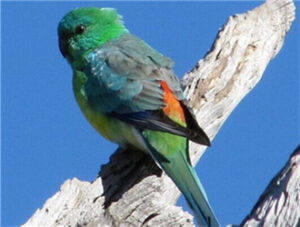
Red-rumped Parrot
The Red-rumped Parrot (Psephotus haematonotus) looks from a distance like a miniature peacock from behind, with beautifully blended multicolored plumage. This parrot is mainly distributed in southeastern Australia.

Chinchilla laniger
The Chinchilla laniger (Chinchilla laniger) is native to the Andes Mountains of South America, where it lives in caves and rock crevices at about 1,600 m elevation. Its appearance resembles that of a rabbit and a squirrel. A special feature is its pair of large, bright, ruby-red eyes, which are beautiful.
How to bathe a Teddy?
Step 1: dog shampoo and a basin with half a tub of about 39 C water. Step 2: wet the coat, apply diluted shampoo, lather, scrub dirty spots like limbs, tail, belly, and massage the head. Step 3: rinse thoroughly with warm water, towel-dry, then fully blow-dry.
How does a Border Collie show it has bonded with its owner?
A bonded Border Collie greets you at the door, walks behind you on walks, and comes when called. It acts affectionate, enjoys head and back rubs, and may even show its belly. It can also get jealous if you pet other dogs.
The Munchkin Cat: A Care Guide for the Short-Legged Breed
Munchkins are gentle, clingy, and adaptable, making them easy keepers — but their limited jumping means the litter box and bed must stay low. Short legs mean less daily activity, so unchecked feeding easily leads to obesity that strains the joints and raises arthritis and spinal risk; watch the diet. And because the 'chassis' sits low, the belly (and in long-haired ones the coat) picks up dirt, and the rear can smear — so help with cleaning.
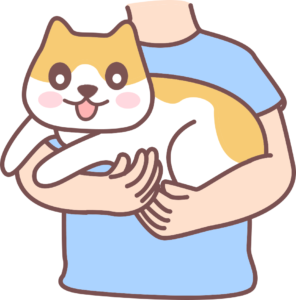
Does Your Cat Know You’re the One Caring for It?
Cats definitely know who feeds and cares for them. Through consistent feeding, grooming, and play, they link your face, voice, and scent to survival needs like warmth and safety. A 2019 University of Tokyo study found cats turn their ears and dilate pupils faster for their owner's voice than a stranger's—proof the brain flags you as important. Cats show recognition subtly: cheek-rubbing, belly displays, midnight purring, and tracking your location. To strengthen the bond, build a feeding ritual, respond to their overtures, and avoid 'emotional neglect'—cats cared for by rotating family members grow less attached. A stable caregiver builds the security they need.

Lop Rabbit
The Lop Rabbit — one of today's most popular pet rabbits — is named for its ears that hang down. Gentle, small, and people-friendly, it is short-lived (usually 5–7 years) and heat-sensitive, needs daily grooming of its dense coat and drooping ears, and must never be picked up by the ears.

Signs Your Cat Loves You
Your cat loves you but you do not know it, what a sad thing. Today we list 12 moments when a cat shows its love for you.

What to Do When Your Cat Flops in Front of You
When a cat throws itself on the floor and rolls onto its back, it is not always asking for a belly rub. Understanding this defensive yet trusting posture helps you respond without getting scratched.
- « Previous
- 1
- …
- 3
- 4
- 5