Search Results
50 results for “dog belly rub”
My dog’s stomach is gurgling but there’s no diarrhea – what should I do?
A gurgling belly without diarrhea may be hunger, indigestion, or gas. An empty stomach produces gas during peristalsis - just feed it. Gas from beans or sweet potatoes needs belly rubs and probiotics. Overeating or food intolerance also responds to probiotics.

Sarcoptic Mange in Dogs and Cats (Scabies): Symptoms, Treatment, and Prevention
Sarcoptic mange is a highly contagious skin disease caused by the burrowing mite Sarcoptes scabiei, leading to intense itching, redness, hair loss, and crusting. It spreads by direct contact and is treated with parasiticides plus control of secondary infection.

How to Tell If Your Dog Has a Fever
The most reliable sign of fever is body temperature: a puppy's normal range is about 38.5–39°C, best measured rectally. Watch also for rapid hot breathing, low energy, dry peeling nose, and poor appetite — then confirm with a thermometer.
My dog has a fever — are there any quick home remedies I can try?
For a mild fever, simple home measures can ease symptoms: offer cool boiled water, wipe the paw pads and belly with rubbing alcohol, or apply a cool towel for physical cooling. A more serious fever needs a dog-specific fever medication — usually a vet-recommended fever reducer or a vet visit for an injection.

Are Cats Really Impossible to Bond With?
An Oregon study found over half of cats chose their owner over food or toys, and a cat that seems aloof still shows love through kneading, head-butts, belly displays, and following you everywhere. Cats that were stray before three months may stay wary, but 'untamable' is a myth — often it's the person who fails to connect.

How Cats Show Affection: Common Loving Behaviors
Cats express affection through a surprising range of body language — purring, slow blinks, head rubbing, and kneading are all signs of trust and contentment. Rolling onto their back or trailing after you from room to room means they feel safe and have claimed you as their own.
Do Cats Really Love Their Owners?
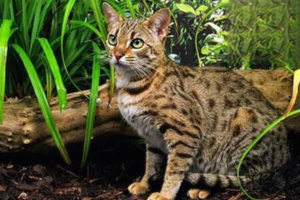
Cats bond with their owners every bit as deeply as dogs do; they simply express it more quietly. Head-rubs, sleeping on you, purring, belly-up play, long eye contact, and bringing "gifts" are all signs of trust, and a cat only shows its true feelings once it fully relies on you.

How to Bond with Your Cat
Cats are reserved by nature, so trust builds through patience, not force — read their boundaries, play daily, skip the scolding, feed them well, and give them room to roam. Expect the process to take longer with a previously abandoned cat, but the bond is worth the wait.
How to Train a Siberian Husky
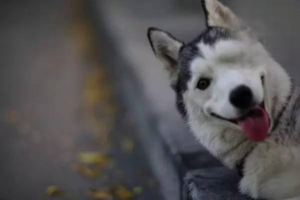
The Husky, or Siberian Husky, is an ancient breed from northeast Siberia and southern Greenland. Its name comes from its unique hoarse bark.
Several External Parasites to Guard Against in Spring
This article introduces dog external parasites that stay active around our dogs and relate closely to life; with a little care we can prevent them effectively.