Search Results
1015 results for “doe nutrition”

How to Tell if Your Dog Is Producing Enough Milk
Newborn puppies depend on their mother's milk for nutrition and early immunity, yet some dams simply don't produce enough. You can judge supply by the puppies' round, content bellies, the dam's full and slightly sagging breasts, her calm willingness to nurse, and whether milk can be expressed by hand. When supply runs short, warm compresses, gentle udder massage, and a protein-rich diet help stimulate lactation, though mastitis requires a vet.
What do crabs eat?
Crabs are omnivores that enjoy live foods and a varied diet; feed small amounts once or twice daily.

When Is the Best Time for a Cat to Develop Fuller Cheeks
Whether a cat develops those rounded, full cheeks (often called "face fluff") depends mostly on sex, genetics, and breed. Female cats rarely fill out this way; it is usually intact male cats that do. Breeds such as the British Shorthair, American Shorthair, Exotic Shorthair, Persian, Chinchilla, and orange tabby are naturally prone to it, while hairless cats, Devon Rex, Russian Blue, Siamese, Oriental, and calico domestic cats tend to stay slender-faced. Most male cats begin filling out between six and eight months of age, and a son of a full-cheeked father is more likely to follow suit. Good nutrition during this window makes the difference.

What to Do When Your Dog’s Hind Leg Cramps
A dog's hind-leg cramp can come from poor nutrition, overexercise, low temperature, or too little activity and sore muscles. When it happens, gently massage or apply a warm compress to ease the muscle, then rest the dog in a quiet, warm place. Balance the diet, exercise moderately, and keep the environment at a comfortable temperature to lower the chance of cramps.
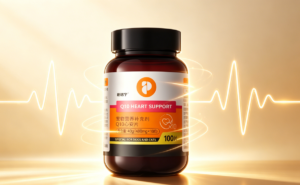
CoQ10 for Pets with Early Heart Enlargement
As cats and dogs age, the heart is often among the first systems to falter, especially in overweight pets and certain breeds with inherited risk. CoQ10, a nutrient that supports heart-muscle energy and protects cells from oxidative stress, is a standard supplement alongside veterinary treatment for heart disease. This guide covers the early signs owners should watch for, why CoQ10 helps, what to look for on a supplement label—real content, independent testing, and proven safety—and how to support heart health day to day. It is nutritional support, not a replacement for prescribed medication.

How to Treat Hair Loss Behind a Hamster’s Ears
Hair loss behind a hamster's ears can come from allergies, bacterial infection, or parasites. Trim the fur around the spot, rinse it with saline, pat dry, and apply a small-pet skin cream or antibiotic ointment, watching for 3 to 5 days. If it does not improve, see a vet. Keep the cage clean and disinfect it often, and add vitamins and protein to aid recovery.

What Do Red-Eared Sliders Eat?
Red-eared sliders are omnivores that need varied nutrition from prepared pellets, animal protein, and plant matter. In captivity, balance these foods for complete nutrition, but control portions, since fruit is high in sugar and water and should be limited. A calcium supplement such as powder or tablets helps meet their needs.

Preparing for Hamster Breeding
Hamsters breed fast, reaching sexual maturity at 2-3 months with pregnancies of 15-22 days and 5-8 pups typical. To breed successfully at home, start with healthy animals and a safe, warm, humid, well-ventilated nest box placed in a quiet, dim spot, and build them up with good nutrition and a supplement a week before pairing. Once paired, separate the male immediately since the female will not mate again but the male stays ready. Keep the mother calm and well-fed, and after birth avoid disturbing the nest, keep pups warm, restore the mother's strength, and split the young into their own cages at one month.

Why Is Your Poodle Suddenly Limping?
A Poodle that suddenly limps may have a sprain or strain from play, a fracture, a paw pierced by a foreign object, a joint problem such as hip dysplasia or arthritis, a nerve issue like a slipped disc or neuritis, or a diet so one-sided it lacks vitamins and minerals, weakening the joints and leg muscles. Because Poodles have fine bones and lively temperaments, injuries are common. Rest and a gentle check come first; if the limp persists or worsens, get an X-ray and targeted veterinary treatment.

What Vegetables Can Guinea Pigs Eat?
Guinea pigs are easygoing eaters, and the right vegetables are a healthy part of their diet. Good choices include carrots, rich in vitamin A and beta-carotene for eyes and skin and low in calories; spinach, full of vitamin C, K, and folate for bones and heart, but only in small amounts because its oxalates can strain the kidneys; broccoli, with vitamin C, K, minerals, and compounds that may lower cancer risk; choy sum, a low-fat, high-fiber green that aids digestion; lettuce, low-calorie and hydrating; and tomatoes, packed with vitamin C, A, B, and the lycopene antioxidant. Keep portions modest: too many vegetables at once flood the gut with water and can cause diarrhea or soft stool. Serve only fresh produce and clear leftovers promptly so spoiled food does not trigger gut inflammation or mold poisoning, and vary the vegetables to balance nutrition with their regular feed.