Search Results
1015 results for “doe nutrition”
100 Essential Tips Every New Cat Owner Should Know
Bringing home a first kitten is exciting but daunting, and poor care can hurt both of you. These 100 essentials cover diet (life-stage food, toxic grapes/chocolate/onion/garlic, no bones or raw meat, fresh water), daily care (brushing, nail and ear cleaning, litter hygiene, n+1 boxes), health (vaccines at 8–12 weeks, deworming, normal temperature 38–39.2°C, spay/neuter, no human meds), behavior (slow blinks, tail talk, no punishment), and home safety (screens, hiding wires, toxic plants, no smoke). Read them once and you'll share a calmer, healthier life with your cat.
Signs Your Chinchilla Is About to Give Birth
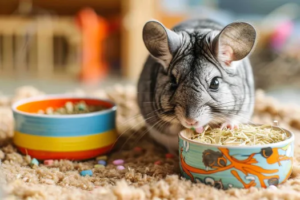
A chinchilla's pregnancy lasts about 111 days. Before birth it may nest—piling hay and wood shavings—grow restless and nibble the cage, become sensitive to strangers, and show a swollen belly, enlarged teats, and genital discharge. In the last hours come contractions, panting, and agitation, plus frantic drinking and stopping food on the day itself. Prepare a quiet, nutritious, clean nest box and have a veterinarian on call in case labor stalls.

Why Do Koi Get Enteritis?
Koi enteritis has many triggers: poor water quality, temperatures that are too high or low, malnutrition, dirty food, and viral or parasitic infection. Good pond management is the first line of defense—keep water clean and the temperature stable, feed a varied, hygienic diet, and test the water and control disease regularly. If a koi does develop enteritis, act fast: fix the water, use antibiotics or anti-inflammatory drugs as a vet advises, and adjust the diet to support recovery.

How Long Can a Cat with Dementia Live?
Feline dementia (Cognitive Dysfunction Syndrome) does not kill directly, but its complications shorten life. Mild cases (occasional confusion, sleep disruption) often live 3–5 more years with good care; moderate-to-severe cases (loss of self-care, refusal to eat, disorientation) may survive only 2–3 years; if chronic kidney or heart disease is also present, just 1–2 years. Japanese clinical data show cognitive training and a stable environment can extend life by 47%. Watch for the DISH signs—Disorientation, Interactions lost, Sleep flips, House-soiling—and support the cat with a low-stimulus home, short brain games, and targeted nutrition.

What to Do If Your Rabbit’s Fur Turns Yellow
Yellow fur in rabbits can signal poor nutrition, too little sunlight, skipped grooming, illness, or simply urine staining. Because the cause varies, judge by the situation. Feed a balanced diet of fresh grass, vegetables, and quality pellets; give a few hours of gentle outdoor sun (avoid midday heat); brush regularly with a soft comb and use a rabbit-safe shampoo only when needed; and keep the cage clean and dry so urine doesn't stain. If yellowing comes with other symptoms, see a vet for parasites or infection. With diet, light, grooming, and checkups, the coat can recover its healthy shine.
Why Is My Chinchilla Losing Weight (and What to Do)
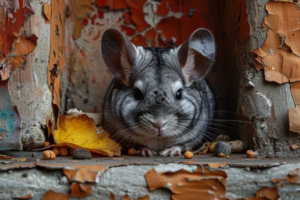
A chinchilla that grows thin usually points to poor nutrition, illness, stress, or its surroundings. Chinchillas are herbivores whose main food is grass, needing protein-rich, balanced feed—special pellets, hay, and a little fruit and vegetable. Long-term wrong feeding starves them of nutrients. Health issues like parasites, digestive trouble, or dental problems also cut how much they absorb, so a slimming chinchilla with a normal diet needs a vet. A damp, dirty, or noisy home kills appetite, and anxiety from frequent moves or other pets does too. Keep the diet balanced, the cage clean and quiet, and stress low to bring the weight back.
How to Feed and Choose Turtle Pellets
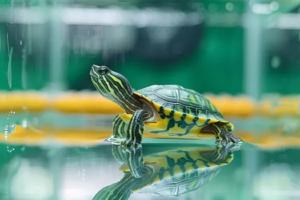
A proper diet is the key to a healthy, long-lived turtle. Choose high-quality pellets made from fresh fish and shrimp and matched to your turtle's species and feeding habits, then control the amount and frequency of feeding. Beyond pellets, offer fresh fruit, vegetables, and greens for extra nutrition—but never chocolate, onions, or other harmful foods. Soaking pellets for 10 minutes before feeding small turtles under 10 cm aids digestion, and rotating brands keeps the diet varied so your turtle doesn't turn picky. A little attention to feeding goes a long way.

Symptoms and Treatment of Tracheal Stenosis in Dogs
Tracheal stenosis is a common respiratory condition in dogs in which the windpipe narrows and makes breathing difficult, sometimes with a wheezing noise and, in severe cases, suffocation. It does not resolve on its own. Diagnosis relies on a physical exam, listening to the chest, X-rays, and tracheoscopy. Mild cases are managed with medication, while severe ones may need surgery such as a stent or tracheoplasty. Nutritional support, breathing therapy, and a calm, low-dust environment all aid recovery.

Chinchilla Losing Whiskers? Causes and Care
Chinchilla whiskers can fall out for many reasons—some harmless, others worth attention. Natural shedding is normal and needs no treatment beyond good nutrition, but over-grooming, fungal or parasite infections, and vitamin or protein deficiencies can also cause whisker loss. If whiskers drop on their own with no other symptoms, simply watch your pet's behavior and keep its environment clean and safe. When loss persists or comes with other signs, a vet visit is the right move. Reducing stress, correcting the diet, and maintaining hygiene all help the whiskers grow back.

Chinchilla Twitching: Causes and How to Respond
Occasional mild twitching or trembling in a chinchilla can be perfectly normal—chinchillas often flick their faces to sense air currents and check for danger. However, repeated or severe twitching may point to a nutritional imbalance, chronic stress, or an underlying illness. Calcium or vitamin B1 deficiency, loud or bright stressful environments, and conditions such as liver disease, diabetes, epilepsy, or poisoning can all trigger muscle spasms. Because twitching can be an early warning sign, owners should observe their pet closely and seek veterinary care if the behavior is frequent or comes with other symptoms. A balanced diet, a calm and comfortable habitat, and stable temperatures are the best preventive measures.