Search Results
1015 results for “doe nutrition”

How to Prevent and Treat Rabbit ‘Big Belly’ Disease
Rabbit big-belly disease strikes weanling kits and can kill in 2–3 days, driven by moldy feed or poor nutrition. Prevention is clean feed and a correct formula; treatment ranges from grass-and-exercise to metoclopramide and antibiotics.

How to Improve a Rabbit’s Forage Conversion Efficiency
Growing your own forage cuts rabbit-farming cost, but you must raise conversion efficiency and balance the diet. Key points: good palatability, varied feeds, greens-led with limited concentrate, about 0.5 to 1 kg greens and 150 g concentrate per adult daily, proper protein and crude-fiber levels, and not-too-high energy to avoid cecal gas and lower breeding rates. Add minerals and vitamins in moderation.

Yes, Dogs Get Low Blood Sugar Too — Here’s What to Know
Dogs do get hypoglycemia, and it strikes puppies most, then nursing mothers. Why does it happen, and what does it look like? Learn the causes, signs, and how to prevent and treat it.
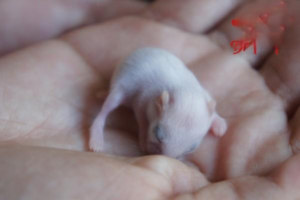
Will a Male Hamster Eat Its Babies?
Male hamsters can eat their young, though it is rarer because they usually cannot reach the pups. Isolate the male once the doe is pregnant, provide plenty of food and water, avoid handling pups which leaves scent, and keep the mother calm, starvation and stress are the top reasons a parent eats its litter.

Arthritis in Dogs and Cats: Symptoms, Medication & Care
Arthritis in pets brings red, swollen, painful joints and can end in deformity or paralysis. This guide covers causes, joint supplements (chondroitin, calcium, meloxicam), and prevention through a dry, warm environment, diet, and moderate exercise.

Should You Put Your Pet on a Diet? The Five Harms of Obesity
Obesity in dogs and cats raises risks of heart disease, diabetes, joint damage, anesthesia complications, and urinary stones. Safe weight loss means controlled diet and moderate exercise—never fasting or 'quick fix' methods.

What to Do When Your Rabbit Loses Its Appetite
A rabbit that stops eating is a warning sign. This article explains common causes of poor rabbit appetite—spoiled food, gut issues, nutritional gaps—and how probiotics, diet changes, and vet checks can restore it.

Common Causes of Shedding in Cats and Dogs and How to Relieve It with Medication
Shedding in pets is common, but excessive or abnormal hair loss usually signals an underlying problem—seasonal coat change, parasites, fungal infection, poor nutrition, allergies, hormonal imbalance, over-bathing, or stress. This article covers the causes and the medications that help.

Do Corgis Shed? Causes and How to Manage It
Corgi owners know these dogs do shed, but the reasons vary and need a careful eye to tell apart. From shedding season to skin disease, learn why Corgis lose fur and how to keep it under control.

Emergency Treatment for Low Blood Sugar in Dogs
Dog hypoglycemia is not a dead end and can be treated, but earlier is better — delaying can cause sudden death. If you spot the signs, get to the vet promptly. Learn first-aid steps every owner of a prone dog should know.