Search Results
1015 results for “doe nutrition”
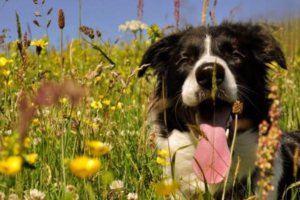
What Are the Symptoms of Anemia in Dogs?
Dog anemia shows as weight loss, dull coat, pale gums and mucous membranes, lethargy, weakness, and wobbly walking, and is confirmed at home by checking for pale gums. Improve it with iron- and protein-rich foods and, for recurring cases, blood-building supplements alongside a complete diet.

How Is Dog Anemia Treated? Can a Blood Transfusion Cure It?
Mild to moderate dog anemia is managed with iron- and protein-rich nutrition; drug- or toxin-caused types need stopping the drug or induced vomiting, and severe cases may need a transfusion or methylene blue for methemoglobinemia. Prevent it with safety on walks, no human food, and regular deworming.

How Long Can a Dog with Severe Anemia Survive?
How long a severely anemic dog survives depends on the cause and severity: nutritional, toxic, or blood-loss anemia often does not shorten life with timely care, while hemolytic anemia is urgent and aplastic anemia from leukemia or kidney disease may be short. Treating the underlying cause is what determines the outcome.

Why Do Rabbits Have Trouble Conceiving?
Poor conception in does usually traces to body condition (over-fat or under-fed), missing nutrients like vitamins A and B, poor light or temperature, reproductive disease, or weak bucks. Find the exact cause before treating — the autumn molt and old age also lower fertility.

Things to Note for Autumn Rabbit Breeding
Autumn is a high-fertility season for rabbits, so prepare early: mate does below 25°C at cool times and in mid-to-late heat, keep first mating at 5–6 months by size, use prime adults, limit bucks to about one mating a day, hold condition and nutrition steady, and use teasers or an estrus powder for does that will not cycle.

Types and Causes of Dog Pancreatitis
Dog pancreatitis has two types: acute and chronic, with different symptoms and treatments. Main causes: genetics, back injury, over-vaccination, and poor diet. Here is the detailed breakdown.

What to Do When Dog Interdigital Dermatitis Won’t Heal
Interdigital dermatitis that will not heal is often from the wrong medicine or poor care during treatment, so the medicine does not work and the condition worsens. Here is the correct approach.
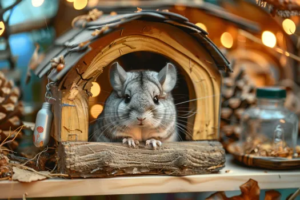
How to Stop a Hamster from Chewing the Cage
Hamsters chew cages mainly to wear down teeth or burn off excess energy, but it can cause nasal sores and dental misalignment. Give them out-of-cage play time, chew toys, harder foods, and company; some simply want to escape, so check the cage is secure.

Hamster Breeding Guide (Part 1): Preparation and Mating
Successful hamster breeding starts with one-cage-per-hamster housing and avoiding inbreeding or forbidden pairings. Breed does aged 4–7 months after a week of nutritional conditioning, and watch body-language cues to time and confirm mating.
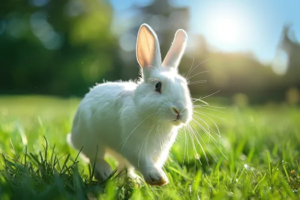
How to Manage a Breeding Buck Rabbit
A breeding buck must be purebred, healthy, and produce high-quality semen, which requires complete nutrition, proper body condition (about 70 to 80 percent fill), and rational use, roughly a 1:8 to 10 buck-to-doe ratio with limited daily matings. House bucks singly, mate in the buck's cage, and check reproductive health before each pairing.