Search Results
77 results for “dissolved oxygen”

How to Treat Popeye in Arowana
Arowana popeye needs treatment matched to its cause - bad water, drugs, light, diet, pH, or low oxygen. Learn the targeted fixes and the medication course.

Can Sunken Arowana Eyes Be Saved?
Sunken arowana eyes can be saved. Raise the temperature to 30-32 C, change water often, and add oxygen; use oxytetracycline only if it doesn't improve.

Common Reasons a Silver Arowana Stops Eating
Silver arowana may refuse food due to a new environment, low temperature, poor digestion, or low oxygen. Match each cause to the right fix.
What fish are suitable to mix with neon tetras?
Good neon-tetra tankmates include the cardinal tetra, harlequin rasbora, guppy, platy, molly, and zebra danio. Neon tetras are gentle and small, suiting other gentle small tropical fish, not large or aggressive ones. Control density, oxygen, water quality, and temperature.
How long for a goldfish’s swim-bladder disorder to heal?
Recovery depends on cause. Most common is low oxygen; with prompt aeration it recovers in about 10 minutes. Overfeeding or bacteria may cause it; bacterial cases heal in 2-3 days with oxytetracycline.
How often should an Indonesian tiger fish’s water be changed?
It likes fresh water; daily change 1/5 of the tank to boost metabolism. With filtration, every 3 to 7 days (summer 3, winter 7). Use soft acidic/neutral water at 22-26 C, pH 6.5-7.5, with aeration.
How long after spawning do goldfish eggs hatch?
Goldfish eggs usually hatch in about 7 days, or 4 to 5 days at the right temperature. Keep oxygen high and water calm.
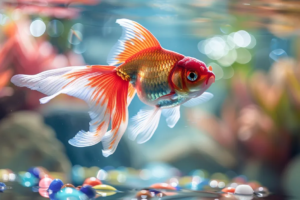
What Living Environment Does a Goldfish Need?
Goldfish are beginner-friendly ornamental fish, but they still need the right water to thrive. Here are the key requirements for water temperature, oxygen, carbon dioxide, pH, and hardness.

What Water Is Best for Your Dog to Drink?
Tap water carries chlorine, bacteria and heavy metals, so boil and cool it, or run it through a good filter. Bottled mineral water is fine occasionally but not long-term (kidney burden, stones); purified water is safe but needs dietary minerals; rain and river water are best avoided because of pollution. Boiled or purified water is the everyday choice, and skip juice, tea, coffee and cola.

Arowana Feeding: Tips and Precautions
Arowanas are large, easy-going freshwater fish that need stage-based feeding: fry 6–8 small meals a day down to adults once a day, always to about 80% full and finished within 10 minutes. Use floating food to avoid droopy eye, cut shrimp rostra, disinfect live prey, and shift from growth-type to color-enhancing foods during the color phase.