Search Results
239 results for “dental chew”

How to Care for a Netherland Dwarf Rabbit
Netherland Dwarf rabbits are active and need both proper housing and a sensible diet to stay healthy. Provide a cage of roughly 80×60×70 cm with soft bedding, safe toys, and chew sticks, and keep the environment at a stable temperature with low humidity, gentle light, and minimal noise. Feed mainly fresh hay (timothy, mixed, or alfalfa) for dental and digestive health, supplement with quality pellets, a little fruit and vegetables, and constant clean water—but control portions, since these rabbits gain weight easily. Build trust slowly through hand-feeding and gentle handling, and check coat, skin, eyes, ears, and teeth regularly.

What to Do When Your Pet Swallows a Foreign Object
Chewing on household items is natural for cats and dogs, but what starts as play can end with something swallowed by accident. Some objects are merely harmless, while others can damage health or even be life-threatening. If your pet ingests something dangerous, get to a veterinary clinic at once — never try to induce vomiting at home. Knowing which foods and objects are toxic, and calling the vet with clear details, can make all the difference.
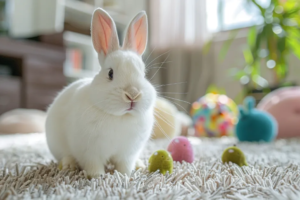
How to Prevent Pica in Rabbits
Pica is when a rabbit eats non-food items like fabric, plastic, paper or wires, often from unbalanced fiber, lack of chew material, stress, boredom or loneliness, or an underlying problem such as overgrown teeth or gut parasites. Prevent it with plenty of hay and fresh vegetables, clean bowls, safe chew toys, tunnels and climbing spots, and regular social contact and affection. If diarrhea, constipation or vomiting appears, see a vet, since digestive disease can drive the behavior.

Why Do Dogs Get Cavities?
The most common causes of dog cavities are poor diet and poor dental cleaning, with age and genetics also raising risk. Once found, a decayed tooth is usually extracted so it does not harm neighboring teeth, though mild cases may be filled and elderly dogs may keep the tooth if anesthesia is risky; follow your vet's advice. Prevention is key: healthy food, regular brushing, and routine dental checks keep the mouth sound.

How to Soothe a Teething Puppy
Puppies feel gum pain and itchy teeth while teething, so they need help to stay comfortable and shed baby teeth normally. A frozen wet towel to chew or gently press on the gums eases pain, and chew toys or dental snacks relieve the itch and save your furniture. They need more calcium now, so offer calcium-rich food to support normal tooth change and avoid retained baby teeth. Spend extra time with the puppy to calm its restlessness, and watch for loose teeth it might swallow.
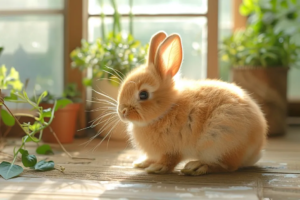
What Causes Malocclusion in Rabbits?
Malocclusion, or misaligned teeth, is a common rabbit dental disease with congenital and acquired forms; most cases are acquired from poor management. Rabbit teeth grow continuously, so they must wear them down by eating coarse fiber like grass. Without enough chewing, teeth overgrow and slip out of alignment. Overlong teeth can cut the lips, tongue, and cheeks, cause painful refusal to eat and mouth ulcers, and in severe cases the roots may pierce into the nasal cavity, eye socket, or jaw, forming abscesses. Prevent it with regular dental checks and plenty of hay for wear.

Salivary Gland Inflammation (Sialadenitis) in Dogs and Cats: Symptoms, Treatment, and Prevention
Sialadenitis is inflammation of the salivary glands in dogs and cats, caused by stones, viruses, or bacteria, leading to swollen, painful glands and fever. It is treated by addressing the cause, reducing inflammation, and veterinary-directed antibiotics.

Gingivitis and Periodontitis in Dogs and Cats: Symptoms, Treatment, and Prevention
Gingivitis and periodontitis are common gum diseases in dogs and cats that cause red, swollen, bleeding gums, bad breath, and eventual tooth loosening. They are managed by professional dental cleaning and at-home oral care.

Stomatitis in Dogs and Cats: Symptoms, Treatment, and Prevention
Stomatitis is inflammation of the mouth lining in dogs and cats, causing drooling, pain on eating, and bad breath. It often follows irritation, dental disease, or underlying illness and is managed with veterinary care, oral cleaning, and pain control.
My dog hasn’t eaten properly in a long time — it only takes small bites of soft food like boiled egg, with no vomiting or diarrhea
Only eating soft food can point to dental problems, a swallowing disorder, or digestive issues. Check the mouth for abnormalities and test with other soft foods. If it will only eat soft food, there may be a chewing/swallowing problem — take it to a vet for further diagnosis.