Search Results
239 results for “dental chew”

How Should an Old Dog Eat After Losing Its Teeth?
After a dog loses its teeth, you can help it keep eating well by adjusting its diet — choose foods that are easy to chew and swallow, and avoid hard items that irritate the mouth. Pay attention to balanced nutrition and ongoing dental care so your senior dog can still enjoy meals and stay healthy.

Dog at 7 Is Like a Human at 50: Early Signs of Senior Dog Diseases
At 7, every dog, large or small, has entered its senior years and organs start declining faster. Studies show kidney filtration drops 12-18% and joint cartilage wears three times quicker after 7. Many early signs get mistaken for "normal aging" and missed. Watch for osteoarthritis (stiff rising, hesitant stairs, liking soft beds), dental disease (red bleeding gums, loose teeth, bad breath, favoring soft food), chronic kidney disease (drinking and urinating more, later ammonia breath and weight loss), and cognitive dysfunction (getting lost at home, night waking, forgetting house-training). These diseases can't be cured, but early action slows them and extends life.
How to Brush Your Dog’s Teeth
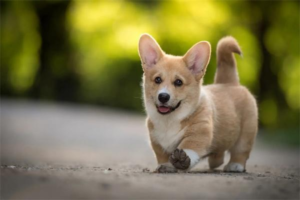
Brushing your dog's teeth is essential for oral health. With the right method and a regular routine, you can keep gums and teeth healthy and prevent dental disease. Gently guide your dog to accept brushing and brush on a schedule. One key point: always use toothpaste and a brush made for dogs, never human products, which can harm your dog's health.

Common Diseases in Hamsters
Hamsters face several common diseases, including tumors, respiratory conditions, digestive problems, skin issues, and dental trouble. Some are easy to prevent, for example by offering chew tools so teeth stay the right length, which lowers the chance of dental disease. To protect your hamster, take preventive measures early, watch its behavior and symptoms closely, and visit a veterinary clinic promptly if anything seems wrong.
100 Essential Tips Every New Cat Owner Should Know
Bringing home a first kitten is exciting but daunting, and poor care can hurt both of you. These 100 essentials cover diet (life-stage food, toxic grapes/chocolate/onion/garlic, no bones or raw meat, fresh water), daily care (brushing, nail and ear cleaning, litter hygiene, n+1 boxes), health (vaccines at 8–12 weeks, deworming, normal temperature 38–39.2°C, spay/neuter, no human meds), behavior (slow blinks, tail talk, no punishment), and home safety (screens, hiding wires, toxic plants, no smoke). Read them once and you'll share a calmer, healthier life with your cat.

Why Is My Dog’s Tooth Loose?
A loose tooth in a dog can be perfectly normal or a sign of trouble. Puppies naturally lose their baby teeth as adult teeth come in, while senior dogs gradually lose tooth stability as the surrounding periodontal tissue weakens, a change that cannot be reversed. In adult dogs, however, a loose tooth is more often caused by dental disease such as gingivitis, periodontitis, or tartar buildup. Poor diet also plays a role, since soft or moist food leaves more residue that feeds bacteria. Finding the underlying cause is essential, because loose teeth from disease need veterinary cleaning, antibiotics, or extraction to prevent wider infection.

What to Do When Your Dog Has Intestinal Scratches
Intestinal scratches in dogs are most often caused by swallowing sharp foreign objects such as glass shards, fish bones, or bone fragments. These items can lacerate the intestinal wall and lead to bleeding and infection. If you suspect your dog has an injured intestine, stay calm and take it to a veterinary clinic for examination and treatment as soon as possible. Mild scratches without a retained object may only require anti-inflammatory medication to prevent infection, while cases involving a foreign body need the object removed before further treatment. This article explains the common causes, warning signs, treatment options, and everyday prevention measures so you can act quickly and protect your dog's digestive health.

What Causes Periodontitis in Dogs?
Periodontitis is a common and painful dental disease in dogs, driven by a mix of physical, fungal, bacterial, and metabolic factors. Physical causes include chewing on fish bones, wire, or other sharp objects that injure the mouth, while fungal infections such as Candida or Blastomyces and bacterial overgrowth can trigger necrotizing ulcerative gingivitis. Metabolic problems like diabetes, kidney disease, dehydration, and hypothyroidism also raise the risk. Affected dogs show bad breath, drooling, swollen or receding gums, loose teeth, and sometimes pus. Diagnosis combines an oral exam with dental X-rays, and treatment requires professional cleaning or extraction under anesthesia plus ongoing home dental care.

Why Is My Cat’s Tooth Wear So Severe?
Heavy tooth wear in cats can be normal or a warning sign. There are two kinds: physiological wear from chewing, biting, and tooth-on-tooth contact—an unavoidable part of aging that does no harm—and pathological wear from poor bite alignment, bad chewing habits, or over-brushing that wears teeth unevenly or excessively. Causes include under-developed tooth structure, a hard-food or inappropriate-chewing habit, and age. When wear is fast or extreme, it may point to tartar or gingivitis, which need a vet. Protect your cat's mouth with a balanced diet (some dry and some wet food, but no constant hard chewing), regular oral checks, and proper brushing with cat-safe toothpaste and a suitable chew toy.
Signs Your Dog Is Getting Old
A dog's life spans only a little over a decade, and aging creeps in through everyday details rather than all at once. The earliest changes are white muzzles and cloudy eyes, followed by dental trouble, shifting personality, and less stamina. Because organ function declines with age, seniors also show digestive and urinary changes. Spotting these signs early lets you give your older dog the comfort and care they deserve.