Search Results
239 results for “dental chew”

Why Does Your Dog Bite Your Pant Legs? (And What It Means)
When a dog grabs and tugs at your pant leg, it is rarely out of spite. Most often the dog is trying to get your attention, invite you to play, or signal a need such as an empty food bowl. The swaying fabric can also trigger an inherited prey drive, since a moving pant leg looks like something to chase. In some cases—especially when you pick up keys or put on shoes—it signals separation anxiety: studies show a large share of dogs chew scent-bearing items to soothe themselves when they sense you are leaving. The fix is consistency: ignore the behavior, reward calm following, offer chew toys, and meet the dog's exercise needs. Understanding the motive behind the bite is the first step to changing it, and learning your dog's other body-language cues helps you bond.

Why Dogs Have Bad Breath and Tartar
Bad breath usually traces to tartar: poor eating habits and no dental care let plaque calcify into tartar. Scraping it at home with a dental scaler is not advised - few owners can control the dog through the whole process, and mistakes harm the gums. Better to have the vet scale once, then prevent daily with mouthwash, brushing or diet. Untreated tartar worsens breath and causes stomatitis, ulcers and red gums that block eating, and plaque harms the heart and kidneys. Prevent with daily (or every-other-day) brushing using dog toothbrush and paste, finger-wrap if the dog resists, and chewing toys; severe cases may need prescription food.

Why Puppies Get a Double Row of Teeth
Around eight to nine months a puppy's baby teeth should give way to clean adult teeth, but sometimes a permanent tooth grows in while the baby tooth refuses to fall, leaving two rows jammed together. This 'double dentition' hurts more than looks: it misaligns the bite and traps food and bacteria that cause bad breath and tartar. Small breeds like Poodles, Pomeranians, Chihuahuas, Yorkies and Schnauzers are most at risk. The fix ranges from hard kibble and calcium to chew toys, and only veterinary extraction after 18 months if baby teeth persist.

What Is Cat Stomatitis and How Is It Treated?
Cat stomatitis is one of the harder feline diseases to cure, and severe cases can be fatal because a sore mouth leads a sensitive cat to stop eating. Its cause is complex, tied as much to the immune system as to infection, which is why antibiotics alone fall short. This guide explains what stomatitis is, its symptoms and types, how extraction works, and the daily oral care that prevention depends on.

Common Oral Diseases in Dogs
Many owners struggle with their dog's bad breath and the distress of dental pain. This article shares the common oral diseases behind that odor and how to prevent and treat them. From tartar and gingivitis to periodontal disease, cavities, broken teeth, and malocclusion, understanding the causes is the first step to a healthier mouth.

Are Dog Treats a Blessing or a Poison?
Treats come in many types. Meat jerky (chicken/duck/beef, dry or moist) suits most dogs—buy branded, dated, labeled ones. Functional treats include dental biscuits and chews (rawhide, pork/beef skin, plant protein) that clean teeth and pass time; size to the dog to avoid swallowing. Dairy treats need lactose-free choices for lactose-intolerant dogs. Natural chews (bones, rabbit ears) are popular but unpreserved, so buy small. Pick known brands with clear labels, check dates, and remember: staple food sustains alone; treats alone do not—and too many treats breed pickiness.

Why Your Dog’s Teeth Are Bleeding
Bleeding from a dog's mouth is common and usually mild, but it is worth understanding the cause. Puppies around three to four months old often bleed a little as loose baby teeth fall out — normal, but watch the diet. In adult dogs, bleeding gums usually point to dental disease: tartar sitting at the gum line constantly irritates the tissue and causes gingivitis or periodontitis. Hard objects can also cut the gums, and a lack of vitamin C plays a role. Because persistent bleeding can signal serious dental disease, a veterinary exam is the safe move.

6 Common Cat Diseases and How to Prevent Them
Cats hide pain well and can't tell you what's wrong, so owners need a basic grasp of common feline illnesses. Beyond regular checkups and vaccines, know the warning signs of the six frequent problems: urinary tract disease, respiratory infection, periodontal disease, parasites, ringworm, and ear mites. This guide summarizes each condition's symptoms and the everyday prevention that matters most—more water, less stress, dental care, deworming, and a clean, dry environment.

4 Things You’re Missing If Your Dog Has Bad Breath
A dog's bad breath is not normal—it often means disease. Leftover food builds bacteria that cause tartar, periodontal disease, and can spread to the liver, heart, and kidneys. Keep the mouth healthy with four habits: brush one to two times a week using pet toothpaste (human toothpaste can poison if swallowed; water and a pet brush work too); check teeth regularly and see a vet for serious issues; give chew toys and dental treats to wear teeth; and feed a balanced, mostly dry diet with supplements for micronutrients (deficiency causes mouth ulcers). About 80% of dogs without dental care develop oral disease by age three—prevent early.
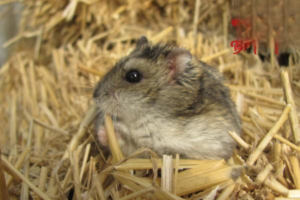
Can Hamsters Eat Meat?
Hamsters can eat small amounts of cooked chicken, fish, or beef, and live foods like mealworms, but meat isn't a dietary staple, so keep it occasional. Their base diet should be grains, with synthetic pellets for dental wear. Never give seasoned, cured, or raw meat; salt, preservatives, and bacteria or parasites in raw meat cause poisoning, diarrhea, or organ strain. Pork is fine cooked and in moderation since its fat drops after cooking; pregnant or nursing hamsters may get extra nutrition.