Search Results
39 results for “dechlorinate”
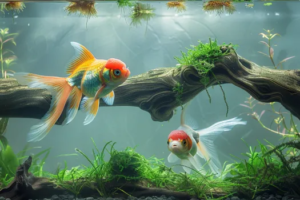
What Affects a Goldfish’s Health
A goldfish's health hinges on stable water and sensible feeding: season and temperature swings, water quality and chlorine, dissolved oxygen, pH near 6.7–7.4, portion size, and change frequency all play a role. Keep temperature and water steady, dechlorinate tap water, avoid overfeeding, and change water sensibly to lower disease risk.
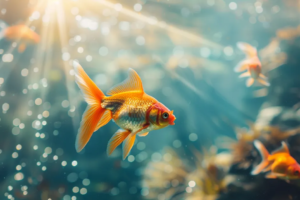
How to Care for Blood Parrot Cichlids
Blood parrot cichlids are easy for beginners, but stable, dechlorinated water and measured feeding make the difference. Keep temperature at 25–29°C, feed only what they finish in five minutes, and add astaxanthin for that signature red.
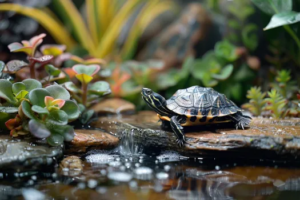
Do Turtles Need Frequent Water Changes?
Change frequency depends on the setup: a normal aquatic turtle about every 3 days, more often in hot weather or with high stocking density, and every 7 to 15 days with good filtration. Always change only one-third of the water, use dechlorinated water, and match the temperature closely to avoid stressing the turtle.

Why Cats Shouldn’t Drink Mineral Water
Cats evolved in the desert and have a naturally weak thirst drive, so owners need to actively encourage them to drink enough water to avoid urinary stones and cystitis. Plain tap water served at room temperature and free of chlorine is best, while bottled mineral water is too high in calcium and magnesium for a cat's system.
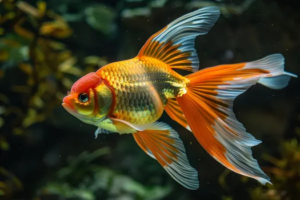
How to Improve the Survival Rate of Ornamental Fish
To raise survival, fishkeepers should feed reasonably, change water regularly, clean filter media, keep temperature suitable, and control stocking density. Match diet to the species, control amount and frequency; regular water changes and filter cleaning keep water quality. Keep temperature right and density appropriate for tank size. Before mixing species, learn which coexist to avoid losses.
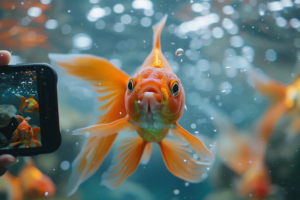
Why Arowana Refuse to Eat
Many factors cause arowana to refuse food - large water-quality swings, sudden environmental change, indigestion, a monotonous diet, or illness. Solutions differ by cause: change and stabilize the water, let the fish rest quietly, fast and regulate digestion, vary the diet, or treat the specific disease. Check water, environment, food, and health to find the cause.

How Often Should You Change Goldfish Water?
Change goldfish tank water every 3-7 days, adjusting for season, temperature, stocking density, and water quality. In summer without filtration, change about a third of the water every 3 days; in winter you can stretch to 10-15 days. Keep the new-water temperature within 2°C of the old, add it slowly along the glass, and replace only 1/4-1/3 of the volume each time.
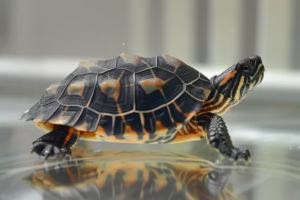
Tips for Keeping a Red-Eared Slider (Brazilian Turtle) at Home
Home-kept red-eared sliders need a healthy hatchling and the right setup. This guide covers choosing a turtle, tank setup, water quality and depth, feeding, and safe overwintering.
How Can I Make My Fish Tank Water Clear?
Clarify tank water by pre-conditioning new water, doing weekly partial water changes, using a suitable filter, avoiding overfeeding, and planting aquatic plants to absorb nutrients.
How do you change water in a large fish tank?
Changing water in a large tank: prepare dechlorinated water rested three days, turn off the pump, clean the glass, and siphon out bottom waste. Refill slowly along the glass.