Search Results
39 results for “dechlorinate”

River Cooter (Donut Turtle)
A large, colourful, easy-going North American pond turtle - hardy, active, and a good aquarium-kept water turtle, though hybrids blur the subspecies.

Pritchard’s Turtle
Pritchard's turtle (Mauremys pritchardi) is a Geoemydidae turtle found in China and Japan. Its looks blend the Chinese pond turtle and the yellow pond turtle, and some researchers believe it is a natural hybrid — though that is not officially recognised.

White-lipped Frog
The white-lipped frog (Leptodactylus albilabris) is a slender-legged frog from Puerto Rico and the Dominican Republic, easily recognized by its white upper lip. A hardy amphibian pet that absorbs water through its skin rather than drinking.
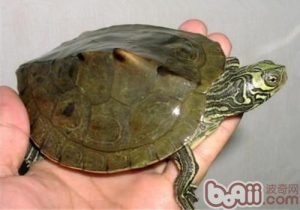
Barbour’s Map Turtle
Barbour's Map Turtle (Graptemys barbouri) is a strikingly marked map turtle from the river systems of the southeastern United States, resembling a painted turtle in form. Though widespread in the wild, it is uncommon in captivity, with the Mississippi map turtle being the most frequently kept of the group.

Rana grylio
The Pig Frog (Rana grylio), named for its pig-like call, is a large aquatic frog from the southeastern United States, resembling a bullfrog but smaller (under 150 mm). A hardy, mostly carnivorous feeder that thrives in a clean, spacious, planted aquarium with live or cleverly presented food.
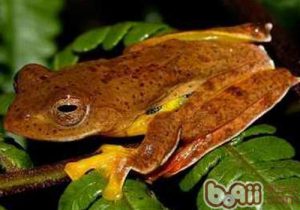
Rhacophorus bipunctatus
Rhacophorus bipunctatus, a flying-tree-frog relative from India, Myanmar, and Malaysia, has toe pads for climbing and can change color like a chameleon. An arboreal frog that needs a planted, humid terrarium and live, moving prey.
There’s a white object above my turtle’s eye (not inside it) — what is it?
Without a photo it's hard to diagnose, but white material around a turtle's eye is often from polluted water — bacteria or microbes get into the eye. Change the water with dechlorinated water and keep it clean, then watch for improvement or any new symptoms.
What Water Conditions Do Tropical Fish Need?
Tropical fish prefer warm water at 23-30 C (use a heater when it drops), a pH of 6.0-8.0, and moderate hardness. Never use tap water directly; dechlorinate and air it for 2-3 days first.
Feeding and Water-Change Tips for Blood Parrot Cichlids
Feed blood parrot cichlids a mix of plant and meat-based foods, 2–3 times daily in portions finished within 5 minutes, and change about one-third of the water every 3–5 days using dechlorinated water kept within a 2°C difference.
- « Previous
- 1
- 2
- 3
- 4