Search Results
211 results for “cooling cat”

What to Do When a Dog Has a Persistent High Fever
A dog with a sustained high fever must be taken to the vet at once, but ordinary fevers can be treated at home. Here are practical ways to manage a feverish dog.

What Medicine to Give a Dog With a Cold
As temperatures drop and daily temperature swings widen, dogs with weaker immunity can catch colds, with sneezing, runny noses and fevers. This article explains how to recognize a dog cold and how to treat it safely based on the dog's weight.

What Is the Best Medicine for Dog Dermatitis?
The best medicine for dog dermatitis depends on the cause and severity - treat the right type to heal faster. Here are the main types and the matching treatments.

Can Hamsters Eat Watermelon?
Hamsters can eat watermelon rind and seeds but not the sweet, watery flesh, which causes diarrhea. Serve room-temperature rind in small amounts for a cooling snack, and offer sun-dried seeds as a protein treat, while keeping the hamster well watered.

Seasonal Care Tips for Hamsters
Season changes bring large temperature swings that can make hamsters sick. Adjust bedding gradually rather than removing all warmth at once, watch for colds during big day-night temperature differences, and switch to summer supplies only from late April.
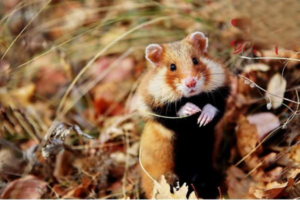
Hamster Summer Care Guide (Part 1)
For summer, set the cage in a cool, airy spot with breathable bedding (urine sand/cat litter, not wood shavings), a ceramic cool hut, and a cooling corner with a cooling pad or clean pebbles. In AC rooms keep ~25°C with warm bedding and never leave AC on unattended.
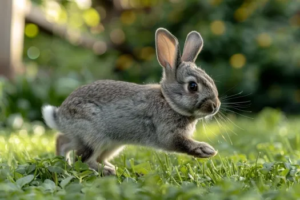
How to Raise Meat Rabbits Well
Raising meat rabbits well means timing breeding to the seasons (spring best, summer cooling, autumn nutrition during molt, winter warmth), mixing concentrate, roughage, and green feed or using complete pellets, and choosing fast-growing, disease-resistant breeds such as Belgian, New Zealand, or Chinese White rabbits.

How to Prevent Rabbit Foot Dermatitis
Prevent rabbit sore hocks with low humidity and good ventilation, a flat cage floor, strict hutch cleaning, whole-group mite control every 2–3 months, and routine foot checks when handling.

Solutions for a Rabbit With Poor Appetite
Persistent poor appetite in rabbits often comes from food monotony, nutritional deficiency, a dirty environment, or heat. Practical fixes include a varied diet with hay and veggies, nutritional supplements, regular disinfection, and summer cooling.

Symptoms and Treatment of Rabbit Ear Mange
Rabbit ear mange is a highly contagious skin disease caused by mite infestation, usually the result of poor hygiene. Infected rabbits scratch their ears constantly and shake their head, and may also show lethargy, restlessness, and loss of appetite; if left untreated the infection can spread and become life-threatening.