Search Results
134 results for “conditioning”

Dog Sneezing and Runny Nose
Sneezing and a runny nose in dogs usually mean a chill or a common cold, but in puppies or unvaccinated dogs they can be the first signs of distemper or parainfluenza. At home, keep your dog warm, offer easily digestible food and plenty of water, and check its temperature regularly. If a fever develops, see a vet promptly rather than waiting it out.

Why Has Your Cat Suddenly Lost Its Appetite?
A cat that stops eating may just be bored with its food, stressed, or reacting to heat or vaccines—but it can also signal dental pain, pancreatitis, kidney disease, or a blockage. If the slump lasts more than two days, assume a medical cause and see a vet. A sudden increase in appetite can mean diabetes, hyperthyroidism, or parasites.

What to Do If a Dog Has a Fever After Giving Birth
A fever right after whelping is often stress-related and mild, eased by cooling the skin; a higher fever a few days later usually means postpartum infection needing veterinary care. The new mother also needs a clean, temperature-controlled den and extra nutrition, especially calcium.

Can a One-Month-Old Puppy Die From Diarrhea?
Severe diarrhea in a puppy can easily lead to death. For example, severe gastroenteritis symptoms such as diarrhea and vomiting caused by parvovirus infection, if not treated promptly, cause severe dehydration from diarrhea and vomiting, leading to circulatory failure; meanwhile, anemia from parvovirus or secondary severe pneumonia raises the mortality rate considerably.

What to Feed a Dog With Diarrhea
When a dog has diarrhea, feed intestinal prescription food, egg-yolk therapy, apple therapy, or intestinal medicated cans to repair gastrointestinal damage, and an appropriate amount of probiotics to balance the gut flora.

How to Help a Dog with Separation Anxiety
Every time you head out, the dog shows strong reluctance - hugging your leg, barking, a sad face, trying every way to keep you. But the owner's heart is iron. The moment you close the door, some dogs feel they cannot go on. That is when separation anxiety begins.

How to Bathe Your Pet at Home
Bath frequency: adult dogs weekly, autumn-winter 2-3 times a month. Puppies less due to low resistance. Cats not often - every 3-6 months per tolerance.

What to Do About Rough Cat Fur
Many owners find their cat's coat getting worse—rough and dull. Coat roughness has many causes and relates to daily feeding and care, so the owner can take steps from everyday habits.

A Summer Heat-Prevention Handbook for Cats
Never leave a cat in a parked car or sealed carrier in summer, and keep it off sunlit balconies. Indoors, guard against 'air-conditioning disease' with clean, ventilated, moderately cooled rooms, and keep food and water fresh.
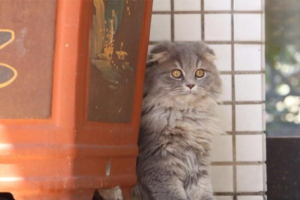
Summer Cat Care: Mistakes and Precautions
Cats do feel the heat and cannot cool themselves through skin sweat glands. Avoid shaving their coat or using enclosed bubble carriers, keep air flowing, offer plenty of water, and guard against food spoilage and parasites.