Search Results
134 results for “conditioning”
What Happens if a Cat Stays in Air Conditioning?
Cats can use AC moderately in heat, but long or too-cold exposure causes chills as their temperature regulation weakens and immunity drops. If not very hot, use cooling mats or fans instead.

Cat Cold vs. Feline Herpesvirus: What’s the Real Difference?
A cat cold is a mild chill-driven illness; feline herpesvirus (cat flu) is a serious, contagious respiratory disease, mostly FHV-1, often mixed with other pathogens. The herpes form attacks the eyes and mouth in ways a cold doesn't—and only the FVRCP vaccine and good hygiene keep it at bay.

Dealing with Static Shock on Cats and Dogs in Winter
Dry winter air leaves pets with a coat full of static that snaps and surprises them. Raise indoor humidity with a humidifier and safe plants, use an anti-static brush, a moisturizing shampoo, and cotton clothing to keep the zap away.

Common Illnesses Dogs Face in Summer
Summer raises a dog's risk of heart trouble, colds, skin pests, gut disease, and heatstroke, with flat-faced and senior dogs most vulnerable. Keep exercise moderate, food fresh, parasites controlled, and never let a dog bake in the heat.
How Weather Affects Your Cat’s Mood and Health
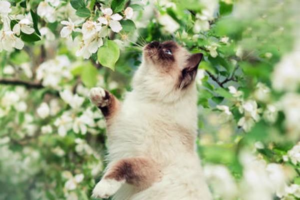
Cats feel weather as keenly as people do, storms, cold, heat, and humidity all shift their mood and health. Watch for heatstroke and hypothermia in extremes, and keep the home between 20 and 25 C with sun, warmth, and steady routine.

Can You Give a Pregnant Cat an Injection for a Cold
A pregnant cat with a cold is best treated without injections: the stress of a shot can frighten her and risk premature labor or miscarriage. Use gentle, pregnancy-safe symptomatic meds, keep her warm, and feed a balanced diet, and never give human cold medicine, which is toxic to cats.

Is a Constantly Sneezing Kitten Necessarily Sick with a Cold
A kitten that sneezes and has a runny nose may not have a simple cold, especially since most unvaccinated kittens are vulnerable to herpesvirus and other infections. Test for herpesvirus first, keep the kitten warm, and let a vet choose any drug rather than dosing blindly.

Complete Summer Pet Care Guide
Summer raises five common risks for pets, heart trouble, colds, skin disease, heatstroke, and stomach upset, so manage exercise, cooling, and food hygiene carefully. Keep water available, avoid midday walks, and never leave a pet in a parked car.

What to Do When Your Dog Won’t Eat in Summer
Summer heat saps a dog's appetite for many reasons, illness, stale food, weather, mood, or estrus, so cool it down before worrying. Bathing, AC, and shade help, but avoid overcooling and never shave a healthy coat, which raises skin risks.

Keeping Your Cat Safe with the Air Conditioner
Air conditioning helps in summer, but dry, stale, over-cool air can trigger 'AC sickness' in cats. Keep water flowing, set the temperature around 26–27°C with under a 7°C gap from outside, air out the room every few hours, and don't park the cat in the AC room all day.