Search Results
3070 results for “cold”
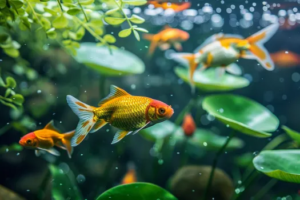
What to Do When Your Goldfish Is Swimming Upside Down
A goldfish floating or swimming upside down is alarming but common, usually caused by poor water quality, overfeeding, low oxygen, cold or fluctuating temperatures, or swim bladder disease. Act quickly to add oxygen and prevent long-term damage from suffocation. Season, temperature, water quality, dissolved oxygen, pH, feeding, and water-change frequency all affect a goldfish's health, so careful husbandry matters. You can relieve mild cases by improving water quality, boosting aeration, and raising the temperature—but if the problem is severe or persists, consult a veterinarian or an aquatic specialist for proper treatment.

What Dog Breeds Are Considered Dangerous or Aggressive?
Dangerous dogs are breeds known for strong aggression, high fighting drive, and difficulty being controlled. Examples include the Tibetan Mastiff, Dogo Argentino, American Pit Bull, Bull Terrier, Saint Bernard, Caucasian Shepherd, Croatian Sheepdog, and more. Because these dogs can threaten people and other animals, they are not recommended for densely populated urban areas, where an out-of-control dog could cause serious injury. Most dogs, however, are deeply loyal to their owners, and dangerous breeds are no exception. Owning one is possible, but only with dedicated, professional training to keep the dog under control. Without the patience and time such training demands, it is best to think carefully before bringing a powerful breed home.

What Is Acetaminophen (Tylenol) and Why It Is Dangerous for Dogs
Acetaminophen, sold under brand names such as Tylenol, is a common over-the-counter pain reliever for people. Many dog owners wonder whether it is safe to share a human medicine cabinet with their pet. The short answer is that acetaminophen is not an NSAID, can lower fever and dull pain, but must never be given without veterinary guidance, and is flatly toxic to cats. Understanding how it works and where the real dangers lie helps you avoid a costly and potentially fatal mistake.

Why Is My Dog’s Nose Dry?
A dry dog nose can come from dry weather, lack of water after exercise, fever, or skin infection. If the nose is dry and flaking, first check whether the dog just exercised hard and consider the weather. If there are no other signs, add water, raise room humidity, and watch for two to three days. But if dryness comes with low spirits, poor appetite, or a rising temperature, see a veterinarian or clinic promptly. A dry nose is not always illness, but do not ignore it.

Emergency Care for a Pet With Heatstroke
Dogs cool only through their paw pads and tongue, so a thick coat turns summer into a sweater; heat, humidity, no water, hard exercise, or even clothes and shoes can tip them into heatstroke. Know the signs, and if you cannot reach a clinic, cool the body safely while rushing for help. This guide covers causes, symptoms, and emergency steps.

How to Train a Dog to Sleep in Its Bed
Many dogs resist the bed at first, but training matters: it gives them quiet rest, security, and protects their health. Start by placing the bed in a quiet, warm spot and letting the dog sniff and inspect it, with favorite toys or a towel inside to lure it in. Reward entry with treats or toys to build a positive link, then gradually lengthen time in bed. Keep a consistent sleep schedule by putting the dog to bed at the same time daily. If it still refuses, the bed may smell wrong or be too small or hard, so adjust it. Never punish; that only builds negative feelings.

Why Your Cat Keeps Sneezing
An occasional sneeze is nothing, but frequent sneezing with discharge, eye issues, or coughing can hide something serious. Causes span environment, infection, and even facial structure, from dust and viruses to flat-faced-breed anatomy. This guide explains the reasons, when to see a vet, and how to care for and prevent sneezing fits.

Symptoms and Treatment of Parasites in Dogs
Parasites are a leading threat to dog health and come in internal and external forms with different signs. Internal parasites cause diarrhea, vomiting, cough, bigger appetite, weight loss, dry coat, red skin spots, pale gums, and lethargy. Some parasites already live in the home, so even indoor dogs are at risk. Fleas, lice, roundworms, and tapeworms each have their own life cycle and route into the dog. External parasites are zoonotic and cause allergic dermatitis and anemia; internal ones cause poor digestion and can block the gut. Prevention and treatment rely on regular, broad-spectrum parasite control for both inside and out.

Why a Dog That Stops Moving in Winter May Have Arthritis
As the deep cold of winter sets in, some owners notice their dog no longer wants to go out or play, blaming the weather, but the real cause may be osteoarthritis. OA affects 30 to 50 percent of dogs and cats and is not only age-related; even young dogs can develop it, with breed, age, sex, weight, and genetics all playing a role. It is a whole-joint disease where cartilage breakdown outpaces repair. Signs include less activity, stiffness after rest, painful swollen joints, and irritability. Management combines weight control, sensible exercise, NSAIDs for pain, and therapy with joint supplements.

Four Winter Diet Points to Keep Cats Healthy
Cold weather means cats burn more energy and need smarter feeding to stay well. Beyond cat food, add freeze-dried meat snacks like chicken, quail, or herring to keep energy up, top up vitamins and trace elements, supplement calcium in moderation, and make sure your cat drinks enough warm water. These four adjustments help fend off the minor illnesses winter tends to bring.