Search Results
3070 results for “cold”

Why Are Your Dog’s Eyes Red and Swollen?
Dogs are nearsighted and see few colors, but their eyes still reveal a lot about their health. Red, swollen eyes can come from something simple like a speck of dust or shampoo, an allergy to food or the environment, or infection by bacteria, fungus, or parasites after a scratch or fight. Built-in problems also play a role: eyelid malformation (entropion or ectropion) and misdirected lashes rub the eye and cause chronic irritation. Because redness can also signal illness such as a cold or distemper, a vet check is wise when signs persist.
Why Does a Siamese Cat’s Fur Turn Black?
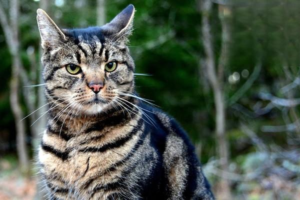
A Siamese cat's coat darkens for a reason that has nothing to do with sunlight: it is driven by temperature. These cats carry a variant of the TYR gene that limits production of the enzyme tyrosinase, which only works properly in cooler areas of the body. As the weather turns cold, the points, face, and ears grow darker, sometimes leaving a near-black 'mask.' The change is largely genetic and cannot be reversed, but keeping the cat warm and limiting iron-rich foods such as liver can slow the process. This article explains the science and what owners can realistically do.
Four Winter Diet Tips to Keep Cats Healthy
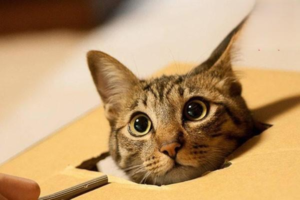
Cold weather raises a cat's energy needs and weakens its natural defenses, making winter a season of extra health risks. Supporting your cat's immunity through diet is one of the simplest ways to help it sail through the cold months. From adding more meat to the kibble to topping up vitamins, calcium, and warm water, here are four practical feeding adjustments every owner should know for a healthy, comfortable winter.
How to Train a Cat to Sleep in Its Own Bed
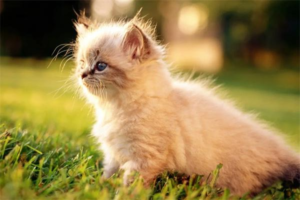
To stop a cat sleeping on your bed, give it a comfortable cat bed placed in a quiet, hidden spot, not a busy hallway. During training, keep your bedroom door closed to block access. To make the bed appealing, put the cat's favorite toys and familiar-scented items inside, or use treats to guide it there. Start young if possible, and be consistent: when the cat jumps on the bed, say no and return it to its bed. Once it adapts, clean and disinfect the bed regularly, since a cat's keen nose will reject it if it smells wrong or breeds bacteria.
Key Points Not to Ignore When Feeding Cats
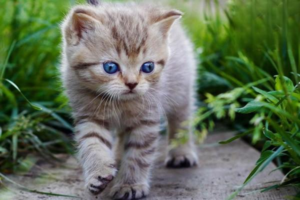
Feeding a cat well means more than good food. Not all cats digest milk, so skip it. Cats are picky and bored by the same kibble, so change diet slowly over days. Tempt a refusenik with freeze-dried treats, but don't overdo it. Offer complete balanced food, wash bowls, and for kittens add a little meat weekly and soften kibble with warm water.
Choosing a Cat Food Your Cat Will Love
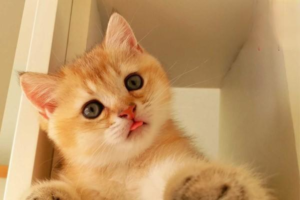
With countless foods on the shelf, meet both quality and your cat's tastes. Cats can't make their own amino acids, so fish-rich food supports vision and hunting; a freeze-dried recipe built on high-quality fish and chicken with digestible milk powder boosts immunity and coat, plus vitamin A, E, and taurine for bright eyes. Pick a balanced, scientific formula.

Preventing Common Spring Cat Diseases
Spring raises two risks. Urinary disease peaks in damp weather, driven by low exercise and water intake; watch for straining and act fast to avoid acute kidney failure. Colds strike with big day-night temperature swings; keep cats warm, dry, and sheltered from drafts, and seek care if they refuse food with a high fever.
Are Cats as Smart as Dogs?
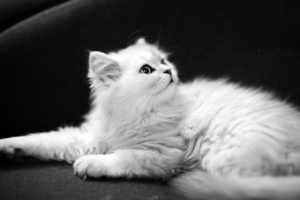
By the numbers, cats and dogs have similar intelligence, but cats don't follow commands because they are solitary, not pack, animals. Cats also age cognitively, with dementia showing as repeated eating and wandering; strong conditioning, like racing to the food-bag sound, proves their learning. Instinctive reflexes, such as crying when cold, also reveal smart survival wiring.

Why Is a Cat’s Nose Always Wet?
A moist cat nose surprises many first-time owners, but the reason is simple: a cat sweats through only two spots on its body, and the nose is one of them. Drinking, washing, and leaving scent marks also add a little moisture. A wet nose helps with temperature control and scent marking. A dry nose is not automatically a sign of illness; it varies with season and indoor air. Only a persistently dry nose, or one that is overly wet from a runny nose, deserves attention.

Understanding Hypothyroidism in Cats
Feline hypothyroidism means the thyroid gland in the neck does not make enough hormone, slowing the whole body's metabolism. Signs include low energy, poor cold tolerance, slow wound healing, fragile skin, hair loss, weight gain, high blood fat, and anemia. It is an autoimmune disease, hard to prevent, and usually lifelong, managed with daily thyroid hormone pills. It is very rare in cats but common in dogs, and often appears with age.