Search Results
3070 results for “cold”

What Is Canine Bordetellosis
Canine bordetellosis is a chronic respiratory infection of dogs caused by Bordetella bronchiseptica. It spreads through the air in crowded or poorly ventilated kennels, where puppies and stressed dogs are most at risk, and often appears alongside other respiratory viruses. The hallmark sign is a harsh cough, usually worst in the morning, that lasts one to two weeks and clears on its own when there is no secondary infection. Confirmation needs laboratory culture of the bacterium. Treatment relies on antibiotics chosen by sensitivity testing plus good husbandry and warmth, while prevention comes from lowering dog density and, where available, vaccination.

What Is Kennel Cough in Dogs
Kennel cough, or infectious tracheobronchitis, is a highly contagious respiratory infection spread by many pathogens at once. It hits dogs of any age but is hardest on puppies, and it flares in cold, crowded, damp conditions. The classic sign is a harsh, dry, honking cough, and while most cases clear on their own, knowing when to treat matters.

Key Points for Caring for a Cat in Summer
Summer heat raises the risk of parasites and heatstroke, so cat care in the warm months means three jobs: cleanliness, cooling, and diet. Run the AC without sharp temperature swings and don't shave the coat—thin it slightly instead, since bare skin burns and the cat sheds heat through paw pads. Feed little and often with light food, refresh water and food frequently so nothing spoils, and never offer cold food that upsets the stomach. Clean the nest, litter box, and belongings regularly and keep up flea, tick, and worm control. These habits keep a cat healthy through summer.

Why Your Dog’s Body Temperature Drops
A drop in body temperature shows up often when a dog is seriously ill. Low temperature is more dangerous than fever because it weakens the body's ability to cope, and in puppies it can be swift and fatal. The common causes range from simple cold exposure to major organ and nerve disease.
What to Do When Your Cat Is Always Begging for Food
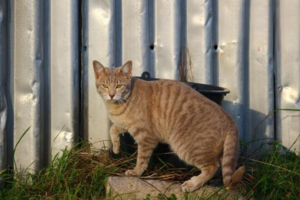
Cats beg because wild ones ate 12-20 small meals a day, so the habit stays; they may also be truly hungry from uneven feeding, or in a kitten 'mouthing phase' exploring tastes. Fix it: block access with pet gates and a firm 'no' (a newspaper rustle or cold shoulder builds the lesson that off-bowl food is off-limits), and redirect with cat trees and toys. Build good habits - feed on a schedule, raise portions for big breeds like Maine Coons, and keep amounts steady as they grow (2-month kittens every 4-6h, 3-6 months 3-4 meals, adults free-feed). Some beg for attention, so give more company. A few cats have mild pica (eating plastic or litter) needing trace minerals and vitamins. Never share human snacks - they are salty, oily or sugary and strain the kidneys and urinary tract.

Why Is Your Dog Having Diarrhea
A healthy dog passes formed stool three to four times a day. More frequent, soft, watery, mucus-laced, or bloody stool is diarrhea, a sign of illness rather than a normal variation. Clinically it is split into acute (sudden) and chronic (long-lasting) forms, each with its own common causes.

Common Dog Diseases and Their Symptoms
A sick dog shows changes in behavior and body that veterinarians call symptoms. Owners who notice these early can get the right help faster. Fever is one of the clearest signals: a dog's normal temperature is 38.3-39C, and anything above 39C means the dog is running a temperature. Here are the common causes behind sudden high fever and lingering low fever.

How to Care for Your Dog in Autumn
Autumn's cool, dry, changeable weather feels great to us but asks for a few adjustments in dog care. Fatigue from summer, dropping temperatures, and dry air all affect a dog's body, coat, and digestion. A few simple habits around food, grooming, exercise, and disease prevention keep your dog comfortable through the season.

Are Miniature Pinschers Easy to Care For?
The Miniature Pinscher is a lively, smart, gentle, and people-loving dog that experienced owners generally find easy to keep. It adapts well indoors yet still needs daily outdoor exercise to burn energy, or it may get into mischief. Its sensitive skin benefits from regular brushing and bathing, and routine vaccinations and checkups prevent disease. Pros include small size, high intelligence, loyalty, a mild temperament, little odor, and easy adaptability. Cons are a delicate stomach, cold sensitivity, and a loud voice. With a safe home, balanced diet, enough exercise, and regular parasite control and vaccines, a Miniature Pinscher thrives.

Why Does My Dog Lick Me?
Dogs lick people for many reasons—affection, hunger, joy, anxiety, or simple habit. As puppies, their mother licks them clean, so licking becomes linked with closeness and love, and a dog may lick you to say 'I like you.' It also gathers information, seeks attention, or appeases you after misbehaving. When stress or anxiety drives constant licking, it can signal discomfort. If you dislike the behavior, train gently without hurting the bond; if licking is excessive, check for underlying worry or illness. Reading the context tells you what your dog is really saying.