Search Results
2728 results for “coat color”
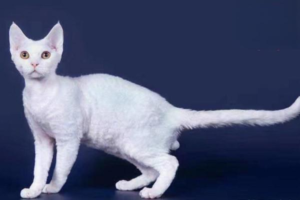
Cold Symptoms and Fever in Sphynx (Hairless) Cats
Sphynx (hairless) cats lack a fur coat and lose heat far more easily, so they catch colds more readily than other breeds. Mild cases with a low fever under 39.5°C can often recover at home with warmth and supportive care, but a cat that won't eat, grows weak, or fails to improve needs prompt veterinary attention.

Does the English Springer Spaniel Shed? How to Manage It
Every coated dog sheds to some degree, and Springers shed seasonally in spring and autumn — daily brushing during those periods keeps the hair under control. Check for hidden skin trouble, use a good brush and dog shampoo, and avoid excess salt and human soap to limit shedding.

Does the Old English Sheepdog Shed? How to Manage It
The Old English Sheepdog is a heavy-coated breed that sheds mainly at coat-change seasons, and most shedding is normal with regular grooming. Human shampoo, over-bathing, low sunlight, poor diet, and excess salt cause extra loss — and red bumps with itching signal skin disease needing a vet.

Can You Bathe a Newly Arrived Cat?
Hold off on bathing a newly arrived cat for the first few days — the stress of a new home already makes it anxious, and a bath only adds to it. Cats groom themselves, so unless there is real dirt or odor you can spot-clean with pet wipes. When you do bathe, use cat-only products, keep water away from the head, and dry the coat fully to avoid chills and skin trouble.

Why Dogs Itch and How to Treat It
Itching can come from allergies, weather, bedding, diet, nerves, or internal disease — and once parasites are ruled out, corticosteroids often calm it fastest. Find and remove the trigger (switch shampoo, fix diet, control fleas) and see a vet for whole-body or unexplained itching.

Cat Hairballs vs. Asthma: Symptoms and Treatment
A hairball causes dry heaves and constipation from swallowed fur, eased with a hairball paste; feline asthma brings neck-extended, open-mouthed wheezing needing oxygen and bronchodilators. The two look alike but asthma is an emergency — keep the cat calm and see a vet.

Why Dogs Get Eye Discharge and How to Treat Eye Inflammation
A sudden jump in eye discharge means trouble — irritation from entropion or spicy foods, infection, or even distemper. Adjust the diet, use pet (not human) eye drops, and see a vet if it persists; a fungal case shows under a Wood's lamp and needs early care.

Chinchilla Buying Guide and Preparations for New Owners
Choosing a chinchilla comes down to appearance, temperament, health, and age — a thick soft coat, rounded face, clear eyes, dry nose, clean teeth, and a minimum of 3 months old are the signs to look for. Before bringing one home, set up a multi-level cage, cooling for hot weather, chinchilla dust for baths, proper pellets and hay, and a quiet night-time spot.

Should a Cat’s Nose Always Be Wet?
A moist nose is normal for a cat, but a dry one is not automatically a problem — low humidity, heat, or just waking from sleep can dry it briefly. Persistent dryness with other signs such as lethargy, sunken skin, or fast breathing may point to dehydration or illness and warrants a closer look.

Can Cat Hair Get Into Your Lungs?
Cat hair almost never reaches human lungs — the airway's four filters (nose hairs, turbinates, cilia, and mucus) block anything as large as a hair, so the '100,000 hairs a year' claim is a myth. A little may be swallowed with food, but it passes in stool; the real hairball risk is the cat's own, so groom it and use a hairball remedy.