Search Results
2728 results for “coat color”

What to Do When Your Dog Keeps Itching
Chronic itching is now common, with skin disease the top reason dogs visit the vet, and bathing method is a root cause often overlooked. Use a gentle, natural shampoo and avoid tar, sulfur, sulfate, or formaldehyde formulas; medicated baths remain a main treatment, especially for dogs exposed to grass, pollen, and pesticides.

Why Some Cats Like Water and Others Hate It
Cats groom themselves for hours each day and rarely need baths, but when fleas, skin infections, or sticky fur appear, water may be the only fix. Most cats dislike it because their wild ancestors lived in dry climates and never needed to swim, and a soaked coat costs them the speed and agility they rely on.

Cooling Ingredients for Dogs with Summer Acne and Bad Breath
Hot weather can leave a dog with bad breath, rashes, or pimples, signs of internal "heat." Cooling foods like luffa, mung bean, barley, and kelp help clear it, though cold-natured ingredients can loosen stools or chill the body, so serve them with the regular diet and check with a vet if unsure.

How to Prevent Skin Disease in Dogs
With hot, damp weather come fungal and mite skin problems, especially in long-coated breeds like Golden Retrievers and Alaskans, and these conditions spread and relapse easily. Keep the bedding dry and clean, lift the bed off the floor, and brush the coat daily to stop trouble before it starts.

Cat Chin Acne (Feline Folliculitis): Symptoms and Treatment
The "black chin" is feline folliculitis — overactive sebaceous glands clogging the pores, essentially the same as human acne. Most cases are mild and clear up with saline wipes, a diet lower in oil, and swapping plastic bowls for ceramic or stainless steel; neutering also helps by steadying hormone levels.
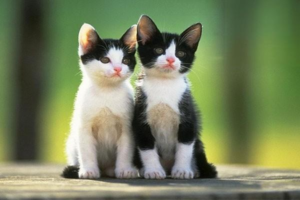
Caring for a Pregnant Cat: Key Precautions
A pregnant cat needs gentle exercise and sunlight, regular grooming, and a quiet place to rest, with a familiar whelping box set up about ten days before delivery. Keep her from jumping down from heights or clearing obstacles, and support her belly when you pick her up so the developing kittens are never compressed.

Post-Treatment Care for Canine Parvovirus
Parvo recovery hinges as much on aftercare as on treatment — 'three parts treatment, seven parts nursing.' Once signs improve, the gut lining is still damaged and cannot handle normal food, so feeding a dog as usual brings relapse, chronic diarrhea, or death. Rebuild gut flora with probiotics, ease digestion, repair the intestine, and feed small, frequent meals of soft, nutritious food while forbidding raw milk and meat.
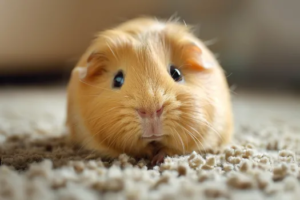
Which Hamster Is the Gentlest?
Among Campbell's dwarf hamsters, the wild-colored and 'purple' varieties have the gentlest temperaments, the Roborovski is the smallest, and the 'milk tea' is the prettiest — but hamsters are solitary and breed fast, so house them one per cage to avoid fights and overcrowding. Give a roomy cage with a wheel, keep them cool (they hate heat), feed a proper mix rather than human food, and offer boiled-cooled water and chew toys.

Why Is a Pomeranian Hard to Care For?
Pomeranians are prone to eye trouble, skin problems, and joint disease, need frequent coat brushing or they mat and shed, are smart but independent so they demand training, and cling to people so they risk separation anxiety when left alone. Caring for one means regular brushing, early training, portion control to avoid obesity, daily activity, routine vet checks with vaccines and deworming, and hygiene for eyes, ears, and teeth.
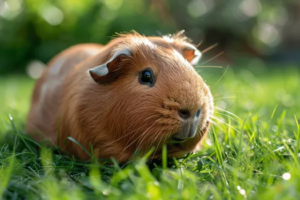
Chinchilla: Yellow Fur on the Rump — What to Do, and Can You Bathe It?
Yellow fur on a chinchilla's rump usually comes from urine stains or damp fur that oxidized, and if bad it can inflame the skin. Wipe with a warm towel, trim what will not come clean, or use a dust bath to fade it — but do not wash a chinchilla with water: the stress can drop immunity and even prove fatal, the dense coat stays wet and invites skin disease, and the natural protective film is stripped away. Keep the cage bottom dry, and simply yellowed fur is harmless.