Search Results
2728 results for “coat color”

How to Apply Pet Topical Medications Correctly
Topical meds — antifungals, anti-mite, anti-itch, or wound care — only work if applied right: put an E-collar on first (many are toxic if licked), clean the spot, dab with a cotton swab rather than spraying, and let each layer fully absorb before the next. For wounds, add diligent cleaning and keep the area dry to stop infection from taking hold.

Tips to Prevent Skin Disease in Cats
Cat skin trouble is usually ringworm or mites, and it is stubborn, relapsing, and contagious — so prevention pays off. Keep the environment dry and sunny, ease off egg yolk and red meat while feeding a dermatology diet if needed, and lean on immunity: daily sun, routine parasite prevention, and the odd supplement. Resistant cats simply don't break out.

How to Bathe Your Pet Safely, Including Medicated Baths
A proper bath means guarding the ears with cotton, securing an unwilling pet on a leash, shampooing the whole coat except the eyes and scrotum, rinsing fully, and drying thoroughly. For medicated baths, concentration and contact time are the decisive factors: too strong is toxic, too weak or too brief is useless.

How to Tell If Your Cat Is Sick
A sick cat hides its discomfort, so the earliest clues are changes in sleep, litter-box habits, appetite, weight, coat, and water intake. Red flags such as vomiting, diarrhea, labored breathing, a head tilt, or straining to urinate need a vet, and routine checks also catch fleas, hairballs, hyperthyroidism, diabetes, and urinary disease.

What to Pack When Traveling With Your Cat
A calm trip with a cat comes down to packing right: a well-sized carrier, pee pads, pet (not human) wipes, food and water, comfort treats and toys, a leash, weather layers, and a small med kit covering disinfectants, digestion aids, anti-diarrheals, and antifungal cream. Skip human wipes — the alcohol in them makes a cat sick if it licks itself clean.

How to Prevent Megacolon in Cats
Megacolon is a chronic enlargement of the colon that shows up first as persistent constipation, and about two-thirds of cases are primary with no clear cause. Keeping a cat hydrated, high in fiber, at a healthy weight, and well-groomed is the best prevention; severe cases need enemas or surgery.

Is Dyeing Your Dog’s Fur Harmful?
Most pet dyes, even those marketed as natural, carry chemicals that irritate a dog's skin and get swallowed during grooming. Because a dog's skin is only a third as thick as ours, the pigment can reach internal organs and cause lasting damage, on top of the stress the process causes the animal.
Why Your Cat Sheds So Much in Spring
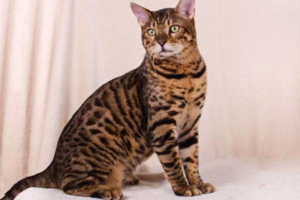
Heavy spring shedding is usually normal as the winter coat drops, but loss that happens off-season can signal poor nutrition, a hormonal imbalance, or parasites and fungal infection. Daily brushing with a little massage is the best remedy, because healthy skin is what keeps shedding under control.

What to Do About Heavy Shedding in Long-Haired Dogs Each Spring
Spring shedding is normal for most long-haired dogs, but sudden or out-of-season hair loss warrants a vet check. Keep the coat manageable with a low-salt diet, a weekly dog-specific bath, and daily brushing, and stay on top of the loose fur around the house.

How to Give Your Cat a Home Health Check
A hands-on check covers body condition and spirit, then vitals (temperature, pulse, hydration) and a look at the eyes, nose, mouth, ears, skin, chin, anus, and genitals. Red flags such as gum redness, ear-mite crust, tapeworm segments, or a dirty chin mean a vet visit.