Search Results
2728 results for “coat color”
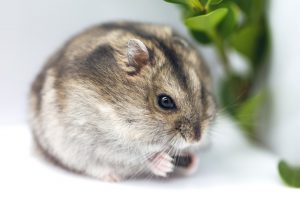
Winter White Dwarf Hamster
The Winter White Dwarf Hamster (Phodopus sungorus), also called the Djungarian hamster or Russian dwarf, is the easiest and tamest of the small hamsters and turns white in winter. A solitary species, it needs a safe cage, a wheel, and a careful diet free of onion, chocolate, and apple seeds. Lifespan 2–3 years.

Angora Rabbit
The Angora Rabbit is the fluffy 'grass-mud rabbit' kept for its superfine wool (11 microns, finer than cashmere). Gentle but high-maintenance, it needs shearing every 3–4 months and constant hay to avoid deadly wool block (hairball impaction). Lifespan about 5–7 years.

East African Black Mud Turtle
The East African Black Mud Turtle is scarce in the wild and thus rarely kept in captivity; in China it is uncommon, though other side-neck species are seen more often, indicating its rarity and need for protection. It eats both plants and animals, living in shallow water and occasionally climbing onto land.

Adanson’s Mud Turtle
The Adanson's Mud Turtle is a small, seldom-seen aquatic turtle from central Africa, a minor member of the African side-neck genus. Although not internationally listed as endangered, it is rarely traded.
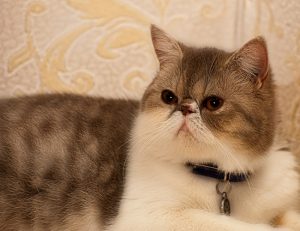
Exotic Shorthair
The Exotic Shorthair — everyone's "Garfield cat" — pairs the Persian's plush look with a short, easy-care coat. Sweet, calm, and affectionate, it's one of the most laid-back cat breeds to live with.

Melanomas in Dogs and Cats
Melanomas are pigmented tumors that may be benign or malignant, often in dark-skinned dogs such as Cocker Spaniels and Scottish Terriers. They favor the mouth, eyes, rectum, and perineum, with mucosal sites most at risk. Wide removal is used, but malignant forms carry a poor outlook.

Home Care for Cat Ringworm: Practical, Low-Cost Treatment
Ringworm, or dermatophytosis, is a fungal skin infection in cats caused mainly by Microsporum canis. Mild cases respond to topical antifungals, B-vitamin support, sunlight, and environmental disinfection, while widespread disease needs medicated baths and veterinary-directed oral antifungals.

Acanthosis Nigricans (Black Skin Disease) in Dogs and Cats: Symptoms, Treatment, and Care
Acanthosis nigricans is a skin syndrome of itching and friction leading to thickened, darkened skin, seen mainly in certain dog breeds. Causes include allergy, hormonal imbalance, and obesity, and care combines itch relief, diet, and anti-seborrheic care.

Hair Loss (Alopecia) in Dogs and Cats: Symptoms, Causes, and Care
Hair loss in dogs and cats ranges from localized patches due to friction or harsh shampoos to generalized shedding from parasites, fungus, or endocrine disease such as hypothyroidism. Identifying the cause guides the right treatment.

Canine Pyoderma: Symptoms, Treatment, and Prevention
Pyoderma is a bacterial skin infection in dogs, usually from Staphylococcus or Streptococcus, most often secondary to another skin problem. It causes pustules, crusting, and hair loss, and is treated with culture-guided antibiotics plus skin care.