Search Results
327 results for “chocolate”

What Foods Can Harm Your Hamster’s Health?
Not every food that is safe for people is safe for hamsters. Chocolate, caffeine, fatty or fried foods, sugary and salty items, and anything containing alcohol or artificial sweeteners can cause digestive trouble, obesity, poisoning, or even death. Certain fruits and vegetables, such as citrus, garlic, and onion, can also trigger poisoning or stomach irritation, while too much high-fat food may lead to obesity, liver disease, and heart problems. Hamsters need a balanced diet, and a single, repetitive food source can cause malnutrition. Learning which foods to avoid, and how to build a healthy daily menu, helps keep your small pet safe and thriving.
100 Essential Tips Every New Cat Owner Should Know
Bringing home a first kitten is exciting but daunting, and poor care can hurt both of you. These 100 essentials cover diet (life-stage food, toxic grapes/chocolate/onion/garlic, no bones or raw meat, fresh water), daily care (brushing, nail and ear cleaning, litter hygiene, n+1 boxes), health (vaccines at 8–12 weeks, deworming, normal temperature 38–39.2°C, spay/neuter, no human meds), behavior (slow blinks, tail talk, no punishment), and home safety (screens, hiding wires, toxic plants, no smoke). Read them once and you'll share a calmer, healthier life with your cat.

Can Dogs Eat Ice Cream?
Dogs can technically eat a tiny bit of plain ice cream, but it's rarely a good idea. Most adult dogs are lactose intolerant, so the milk sugar ferments in the gut and causes diarrhea and vomiting; the cold shock also cramps the stomach. Ice cream is also high in sugar and fat, and any variety containing xylitol, chocolate, cocoa, or grapes is toxic. If your dog loves frozen treats, offer a homemade mix of unsweetened yogurt with pumpkin or banana, or a pet-store dog ice cream—in strict moderation, once or twice a week at most.

How to Choose the Right Snacks for Your Chinchilla
The right snacks are key to a chinchilla's health and happiness. Chinchillas are omnivores that enjoy dried fruit, nuts, vegetables, and fruit, but some foods—chocolate, onion, caffeine—are toxic and must be avoided. Choose high-quality, additive-free, natural snacks; keep portions small to prevent obesity; vary the types to hold interest; respect individual texture preferences; and stop any food that triggers vomiting or diarrhea. Snacks also double as bonding tools during gentle play.
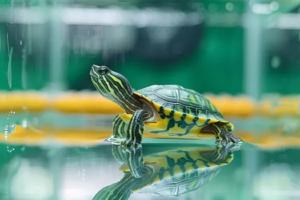
How to Feed and Choose Turtle Pellets
A proper diet is the key to a healthy, long-lived turtle. Choose high-quality pellets made from fresh fish and shrimp and matched to your turtle's species and feeding habits, then control the amount and frequency of feeding. Beyond pellets, offer fresh fruit, vegetables, and greens for extra nutrition—but never chocolate, onions, or other harmful foods. Soaking pellets for 10 minutes before feeding small turtles under 10 cm aids digestion, and rotating brands keeps the diet varied so your turtle doesn't turn picky. A little attention to feeding goes a long way.
What are the five big mistakes new dog owners should avoid?
New dog owners often make avoidable mistakes: skipping deworming, skipping vaccinations, over-bathing, feeding toxic human foods, and keeping the dog confined indoors. These habits can seriously harm a dog's health.

Can Cats Eat Ice Cream
On a hot day your cat may beg for a lick of your ice cream, but it is best not to share. Ice cream is loaded with sugars a meat-eating cat does not need and cannot digest well, which strains the organs and, with its high calories, packs on weight - and cats cannot even taste sweetness, so they are really after the milk smell. Many cats are lactose intolerant and get diarrhea from the dairy. The bigger danger is flavor: chocolate holds theobromine that can poison a cat within 4-24 hours; coffee and matcha both carry caffeine that can trigger seizures and fatal breathing failure. Skip the scoop and keep your cat to its own treats.

Foods You Should Never Feed Your Cat
Cat food is the safer choice over table scraps because it is balanced for a cat's needs, while homemade meals are hard to get nutritionally right. Some human foods are downright dangerous for cats. Allium vegetables - onion, scallion, garlic, leek - cause vomiting, diarrhea, anemia, and bloody urine, and the toxins survive cooking; avocado brings similar dangers and can be fatal. Chocolate causes diarrhea and vomiting and, in quantity, sudden death. Raw eggs can trigger diarrhea, skin, and eye problems (cooked is fine); shellfish can cause skin disease; and dog food lacks taurine, so long-term feeding leads to taurine deficiency. Milk and fish are okay in small amounts, but go easy on high-magnesium dried seafood to avoid stones.

What Is Canine Methemoglobinemia
Familial methemoglobinemia is an inherited defect in the enzyme that converts methemoglobin back to normal hemoglobin, so a dog's blood carries less oxygen. The hallmark is a persistent bluish discoloration of the gums and chocolate-brown blood. Most affected dogs live for years with few signs, but oxidant exposure can turn it dangerous.

Forbidden Foods for Cats and Dogs
Some everyday foods are quietly dangerous to pets. Chocolate, onion family, grapes, too much liver, allergenic seafood, and sharp bones each carry specific risks from theobromine toxicity to kidney failure and gut perforation. Knowing the list helps you protect a cat or dog from a preventable emergency.