Search Results
327 results for “chocolate”

What to Do When Your Pet Swallows a Foreign Object
Chewing on household items is natural for cats and dogs, but what starts as play can end with something swallowed by accident. Some objects are merely harmless, while others can damage health or even be life-threatening. If your pet ingests something dangerous, get to a veterinary clinic at once — never try to induce vomiting at home. Knowing which foods and objects are toxic, and calling the vet with clear details, can make all the difference.

Dog Food Safety: Harmful Foods to Keep Away from Your Dog
A healthy dog starts with a safe, balanced diet. The single most important rule is to keep harmful foods out of your dog's bowl. Certain everyday items—sharp cooked bones, too much animal liver, onions and garlic, chocolate, and allergenic seafood—can damage your dog's digestive tract or even prove toxic. Cooked bones can tear the stomach or intestine; excess liver causes vitamin A poisoning; alliums trigger the destruction of red blood cells; chocolate's theobromine is dangerous in quantity; and seafood often sparks allergic diarrhea. Learning these common dietary taboos helps you protect your dog from acute poisoning, internal injury, and chronic health issues, and keeps mealtime both safe and nutritious.
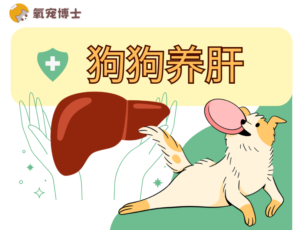
Foods That Support Your Dog’s Liver
The liver filters toxins, stores nutrients, and makes bile, yet it stays silent until heavily damaged—so daily support matters. Quality protein, cruciferous vegetables, and berries aid detoxification, while milk thistle, dandelion root, and omega-3s protect cells. Just as vital is what to skip: fatty foods, toxic items like chocolate, onion, and grapes, and human medicines that strain or poison the liver. Keep water flowing and weight healthy.

Why Is Your Dog Suddenly Drooling a Lot? 4 Causes to Watch
Dogs pant to cool off, so some drool on a hot day is normal. But sudden, heavy salivation in normal temperatures can signal trouble. The causes worth flagging are oral disease, poisoning, heatstroke, and neurological problems, with severe kidney or liver disease and even rabies as grave possibilities. Teething, car sickness, or excitement explain milder cases. When drooling pairs with collapsing, seizures, or suspected toxin exposure, head to the vet at once.

How Long Can a Dog with Kidney Failure Live? Three Ways to Add Years
There is no single answer to how long a dog with kidney failure survives—it depends on type, stage, and treatment. Acute failure from toxins or blockage can often be reversed if treated within about 48 hours. Chronic failure in older dogs can't be cured, but mid-stage dogs commonly live 1–3 years and some over 5 with good management. Diet, medication, and daily care are what buy the time.

Can Dog Kidney Failure Be Cured? The Honest Answer
Dog kidney failure splits into two very different pictures. Acute failure—from toxins, severe infection, or a blockage—can often be reversed if treated within about 72 hours. Chronic failure, common in older dogs, is irreversible because most function is already lost before signs appear; the goal then is to slow it down and protect quality of life. Both need a veterinarian's plan, not guesswork.

Japanese Tang
The Japanese tang has beautiful color, a gentle temperament, and strong adaptability, doing well in both fish-only and reef tanks. Captive care needs a tank of at least 300 liters to give it enough swimming room.
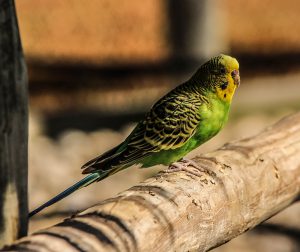
Budgerigar
The budgerigar (Melopsittacus undulatus) is one of the most common parrots worldwide and a favorite first bird for many homes. Though its call is unremarkable, its beautiful, varied plumage and easy care make it beloved; with good keeping it can live 10 to 20 years.

Guinea Pig
The Guinea Pig (Cavia porcellus), also called the cavy, is a gentle South American rodent kept worldwide as a pet. It needs a roomy cage, a bottle, and — unlike many rodents — a diet with added vitamin C: grass hay, guinea-pig pellets, and fresh vegetables. Its teeth grow for life, so fibrous food is essential.
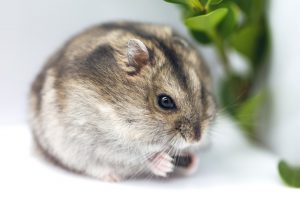
Winter White Dwarf Hamster
The Winter White Dwarf Hamster (Phodopus sungorus), also called the Djungarian hamster or Russian dwarf, is the easiest and tamest of the small hamsters and turns white in winter. A solitary species, it needs a safe cage, a wheel, and a careful diet free of onion, chocolate, and apple seeds. Lifespan 2–3 years.