Search Results
327 results for “chocolate”

What to Feed a Dog Recovering from Diarrhea?
During recovery from diarrhea, feed easily digested, high-carb, low-fat foods such as plain rice, broths, boiled chicken, cooked vegetables, and yam, in small frequent meals. Add probiotics or a gastrointestinal prescription diet, and avoid greasy, spicy, caffeinated, or allergenic foods; see a vet if symptoms persist.

How Many Times a Day Should You Feed a Rabbit?
Most adult rabbits do well on two meals a day, while growing juveniles need three to four smaller feedings; seniors or rabbits with health issues may need adjusted schedules per a vet. Base the diet on unlimited hay, a measured amount of pellets, and limited fresh vegetables, and keep portions modest to avoid obesity and gut trouble. Watch appetite and weight and adjust as needed.

What Causes a Cat’s ‘Glass Stomach’?
A cat's 'glass stomach' (chronic sensitivity) usually comes from poor diet (frequent food switches, intolerances, low-quality kibble, human food), irregular feeding, stress, or dental issues. Past illness (panleukopenia, parasites, gastritis, pancreatitis, hairballs) can also damage the gut lining. Fix diet, add probiotics, cut stress, and see a vet for ongoing vomiting, diarrhea, or weight loss.
Meet the Siamese Cat: A 3-Minute Guide
The Siamese is an ancient palace cat from 14th-century Thailand (then Siam), weighing 8–14 lb for males and 6–10 lb for females, with pointed colors like seal, blue, lilac, chocolate, red, and cream. Its signature trait is temperature-sensitive fur: tyrosinase works faster when cold, so winter deepens the coat and age darkens it. Siamese are dog-like — clingy, energetic, curious, and talkative — and adapt well, making them a good choice for first-time owners.

Things to Consider When Taking Your Dog Home for the Spring Festival
Traveling home with your dog for the holidays takes planning: confirm your dog is healthy, pack its essentials, and get it used to the car (or sort out pet shipping papers 1–2 weeks ahead for train or air travel). Once at a new environment, ease its anxiety with a quiet space and familiar routine, and during the festival guard against fireworks stress, escape risks from frequent visitors, and toxic human foods such as chocolate, grapes, and onions.

Why Is Your Dog Suddenly Shivering?
A dog that suddenly shivers may be afraid, over-excited, cold, unwell, or poisoned. Fear and excitement are normal responses that pass on their own, while cold calls for warmth. Persistent or repeated shivering can signal illness such as neuromuscular disease, chronic kidney failure, or distemper, and shivering soon after eating may mean toxin ingestion like chocolate or grapes. Calm a frightened dog, warm a chilled one, and see a vet if the shaking continues, comes with other signs, or follows a suspect meal; teach a 'leave it' cue to stop scavenging.

Bringing Home a 2–6 Month Old Puppy or Kitten: A Complete Care Checklist
A new 2–6 month old puppy or kitten is fragile, and mistakes in the first weeks—too much handling, wrong food, missed vaccines—can cause stress, illness, or worse. Start by letting the pet settle alone for 1–2 hours before gentle interaction; keep the same food it had before (soak kibble if needed) and feed 3–4 small meals a day. Watch the first week closely, since transport can expose them to panleukopenia, cat flu, distemper, or parvovirus on top of stress. The vaccine and deworm timeline matters: deworm first, wait at least 7 days, then vaccinate (dog multivalent from ~45 days, three shots 21 days apart, rabies at 3 months; cat FVRCP from 2 months, three shots 28 days apart, then rabies). Don’t bathe, delay outings until vaccinated, and never feed toxic people foods like grapes, chocolate, coffee, or avocado.

What Foods Are Toxic to Rabbits?
Rabbits are herbivores that mainly eat grass and plants, but some items are unsafe, including grapes, onion, garlic, and ginger. High-fat and high-sugar foods burden the gut and cause digestive trouble, and nuts, beans, and corn are too starchy and fatty to digest well. Feed a fresh, balanced, organic diet and keep all forbidden foods away from your rabbit.

Foods Golden Hamsters Should Never Eat
Golden hamsters are sensitive to spicy food, so avoid irritants like onion, ginger, and garlic. They also cannot have caffeine from coffee, tea, cola, or chocolate, and should not eat too much sugar or high-moisture food. Stick to fresh, natural items and control portions to protect their digestion and weight.
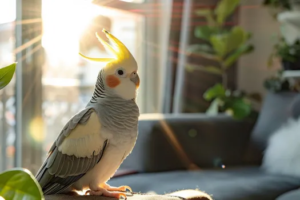
How to Feed a Budgerigar at Every Life Stage
Budgerigars are social, intelligent birds, but their care changes with age. Chicks are the most fragile stage and need frequent hand-feeding with a quality parrot formula and parrot hand-feeding powder, offered in small amounts every few hours around the clock. Adults need a varied diet of grains, vegetables, fruit, and seeds plus a protein boost from boiled egg, formulated protein feed, mealworms, or beans. Through every stage, keep the cage at a comfortable 20-25 C, maintain clean food and water dishes, and allow safe supervised flight time. With the right food and routine, a budgie stays active and healthy.