Search Results
33 results for “chinchilla ear disease”

Common Chinchilla Ear Diseases and Daily Ear Care
Chinchilla ears are delicate and prone to injury (extreme temperatures, fights — look for peeling, blackening, red swollen bites) and infection, especially ear mites (head-shaking, scratching, hair loss, sometimes eye inflammation). Deep wounds may need vet stitches and antibiotics. For care, a mineral-oil cotton ball wipes the ears; seek a vet for heavy buildup. Provide dust sand and check ears regularly.

Chinchilla
The Chinchilla, with the English name Chinchilla, originates from Britain and descends from the Angora and the Persian. Some call it the artificial cat, hinting it was deliberately bred by humans. Notably, the Chinchilla was the first fully human-bred cat, appearing in 1894.
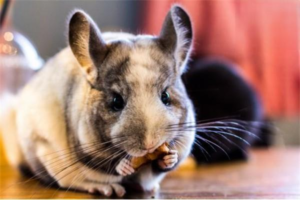
Common Mistakes When Medicating a Sick Chinchilla
Many owners hesitate to medicate a sick chinchilla for fear of side effects, or stop treatment once it improves. Both are wrong. Here are common medication mistakes to avoid.

How to Care for a Chinchilla’s Coat
A chinchilla's dense, soft coat is its biggest charm, so regular coat care matters for both health and looks. Here is how to keep a chinchilla's fur clean and healthy.
How long can a Chinchilla cat live?
A Chinchilla cat usually lives over 12 years. Vaccines, deworming, checkups and quality food in a clean home extend life.
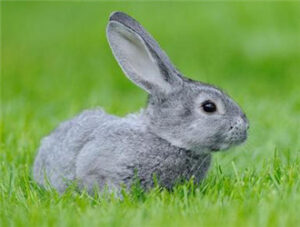
Chinchilla Rabbit
The Chinchilla Rabbit is an excellent fur-and-meat dual-purpose economic rabbit introduced to China, where it has been raised for a long time and has adapted well, making it fairly common.

Standard Chinchilla Rabbit
The Standard Chinchilla Rabbit is an artificial breed named for its fur, which closely resembles the South American chinchilla. Gentle, affectionate, and recognizable, it makes a good pet rabbit, though some websites wrongly use chinchilla (rodent) photos in its place.

Chinchilla laniger
The Chinchilla laniger (Chinchilla laniger) is native to the Andes Mountains of South America, where it lives in caves and rock crevices at about 1,600 m elevation. Its appearance resembles that of a rabbit and a squirrel. A special feature is its pair of large, bright, ruby-red eyes, which are beautiful.

The Pros and Cons of Keeping a Chinchilla
Chinchillas live 15–20 years, stay clean and quiet, and rarely get sick or pass diseases to people — but they need a clean cage, strict temperature under 25°C, scheduled feeding with clean water, daily out-of-cage time, and a dust-free home if anyone has rhinitis. Know the trade-offs before you commit.

Caring for a Chinchilla
Chinchillas are delicate vegetarians that often die from wrong food and heat. Choose a healthy, calm youngster, house it in a plastic-free cage at 8–25°C, feed a hay-based diet, and keep its environment quiet and let it clean itself in dust baths.