Search Results
127 results for “chilling”
Why do dogs get canine parvovirus?
Dogs catch parvovirus through poor diet, chilling, dirty living conditions, internal parasites, or contact with the virus. Signs include lethargy, appetite loss, vomiting, diarrhea, and bloody stool; untreated cases dehydrate and can die. Vaccination prevents it, so see a vet promptly if infection is suspected.
How Long After Vaccination Can You Bathe Your Dog?
Wait at least 7–10 days after vaccination before bathing your dog. The modified-live vaccine briefly lowers overall immunity while the body builds antibodies (3–7 days), so a chilled, poorly-dried coat can trigger colds, bronchitis, or pneumonia. If dirty, wipe with a damp towel and blow-dry fully. Also avoid new foods, intense exercise, and dog-dense places for two weeks, and watch for 24-hour reaction signs.
My one-month-old puppy was just brought home yesterday; it smelled a bit so I bathed and dried it, but now it seems unwell.
A one-month-old puppy acting listless after a bath is likely chilled, and the new-environment stress weakens its immunity. Keep it warm, give pet probiotics, and watch for vomiting, diarrhea, fever, or coughing that would need a vet check for distemper or parvovirus.

Hamster Shaking: Is It Dying?
A shaking hamster isn't necessarily dying — causes range from cold and fear to low blood sugar, infection, or old age. Occasional brief shaking is usually fine; if it lasts or comes with lethargy, poor appetite, or labored breathing, move it to a warm quiet place with warm water and see a vet.
What medicine should I give my cat for a cold?
Cat colds can be treated with GanNuoning and doxycycline tablets plus warmth and water, but a vet visit is needed if symptoms persist or point to viral rhinotracheitis. Never use human cold medicine.

Why Does Your Cat Love Drinking from Your Cup?
A cat may prefer your cup for several reasons: it likes fresh, clean water and may snub a stale bowl; moving water catches its eye; and it may be mimicking you. Keep its bowl water fresh and clean, and in cold weather offer warm water, to encourage drinking — dehydration raises the risk of urinary stones.

After the Swim: Preventing Ear Infections, Skin Trouble, and Tummy Upsets in Dogs
Swimming is a great low-impact workout that cools dogs off and supports their joints—but skipping the clean-up afterward can lead to three common problems: ear infections, skin irritation, and digestive upset. A dog’s L-shaped ear canal traps water that shaking alone won’t fully remove, creating a warm, moist space where yeast and bacteria thrive. Thick or double coats that aren’t fully dried breed the same trouble on the skin. And a cold abdomen plus post-swim air conditioning or ice water can upset a sensitive gut. The fix is simple: clean and dry the ears, blow-dry the coat layer by layer (especially armpits, belly, and paw folds), and let the dog rest before any AC, cold water, or rough play—offering a probiotic if its stomach is delicate.
How to Care for a Dog with Pancreatitis
Pancreatitis is a high-risk digestive emergency, especially common in overweight middle-aged and senior dogs, and it often returns even after recovery — so proper home care matters as much as treatment. During a flare-up, withhold food and water immediately and see a vet; never self-medicate. After discharge, feed a prescription diet under 10% fat (regular food is 15–20%+), split into 4–6 small meals, and strictly avoid all high-fat foods such as fatty meat, organ meats, fried food, and rich treats. Keep your dog warm to protect the abdomen, allow only gentle short walks, follow the medication plan exactly, and return for regular pancreatic checks. Controlling weight is the best prevention — obese dogs are over three times more likely to develop pancreatitis.

How to Care for an Alligator Snapping Turtle
Alligator snapping turtles are aggressive, long-lived freshwater turtles that make challenging but rewarding pets. They are mostly aquatic but must come ashore often to breathe, so provide a rock or basking platform. Keep water deep, about two to three times the shell height, with a land area for shelter and sunning. Change only one fifth to one third of the water weekly to avoid shocking them. Feed a varied carnivorous-leaning diet of fish, shrimp, earthworms, lean meat, and insects plus some greens, and keep the temperature steady at 26 to 32 degrees Celsius. Avoid overfeeding and too much fat or salt, and clean the habitat regularly to prevent disease.
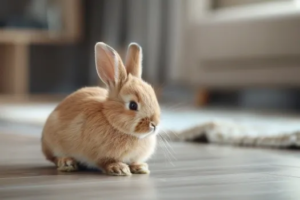
Do Rabbits Need to Hibernate?
Rabbits do not hibernate. As warm-blooded animals, they regulate their own body temperature and stay active through winter. That said, they still feel the cold despite their thick fur, so owners must provide warmth and shelter when temperatures drop. Moving the hutch indoors, sealing drafts, lining the cage, and adding soft bedding all help prevent chilling. Adjusting the diet with extra food and higher-calorie items supports their increased winter energy needs. This article explains why rabbits skip hibernation and how to keep them safe in cold weather.