Search Results
127 results for “chilling”

Can You Bathe a Schnauzer Puppy?
Yes, you can bathe a Schnauzer puppy — but not while it is sick or during its first week in a new home. Bathe in a warm room during the day, dry it quickly, and blow the back and belly completely dry first to prevent chills and skin trouble; a pin brush used while drying keeps the coat healthy.
Best Ways to Treat Diarrhea in a Budgerigar
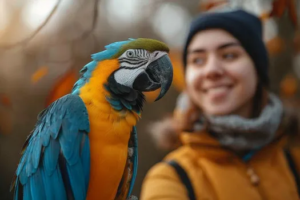
Diarrhea in budgerigars shows as watery, discolored droppings, a soiled vent, lethargy, and extra drinking — and can be fatal if ignored. Start with garlic water and warmth for a day or two, move to oxytetracycline if there's no improvement, and suspect chlamydia (psittacosis) when eye and nose discharge appear.

Rabbit Diarrhea Caused by Poor Daily Management
Many cases of rabbit diarrhea trace back to everyday husbandry mistakes rather than infection: too much concentrated feed, sudden diet changes, toxic or moldy feed, temperature swings, antibiotic overuse, and overfeeding weak kits. Matching the symptom pattern to the cause helps you fix it fast.

How to Choose a Cat Bed
A good cat bed beats the summer heat without chilling the gut — rattan half-moon and crown beds are breathable and easy to wash, while cooling mats and hammocks let a cat beat the warmth safely (cats that sprawl on tile floors risk stomach upset). Add a clingy-cat 'cat table' for bonded time, and pick bite-resistant rattan toys with bells to keep a home-alone cat busy.
Why Newborn Kittens Die: Common Causes of Fading Kitten Syndrome
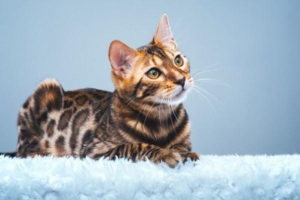
Most fading kittens die from preventable causes: the mother's low milk supply, being crushed in an undersized nest box, injury and infection, or chilling. Watch for a thin belly and constant crying (signs of hunger) and keep the whelping area warm and roomy — at least 40×40×40 cm, or 60 cm per side for large breeds like Ragdolls.
Why Does a Cat Get Diarrhea After a Bath?
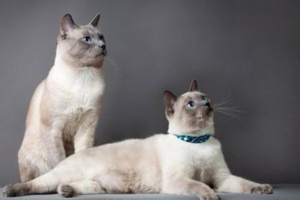
Post-bath diarrhea usually comes from poor digestion, stress, or getting chilled. Mild cases respond to probiotics and a calm, warm space; if it turns watery and frequent, see a vet to rule out gastroenteritis, parasites, or panleukopenia—especially in unvaccinated cats, where dehydration and low blood sugar can be fatal.

Bathing Your Pet in Autumn and Winter
Bathing pets in cold months calls for restraint — over-washing strips the skin, so space baths two to three weeks apart (cats can go even longer). Use lukewarm water around 35–40°C, a pet-specific shampoo, work from paws to back to head, and dry the coat thoroughly afterward to prevent chills.

Why Dogs Vomit Yellow Fluid and How to Treat It
Vomiting yellow fluid is usually tied to diet or gastrointestinal disease, and the underlying cause is revealed by the dog's body condition, feeding routine, and what the vomit looks like. Once you rule out a gastric foreign body or viral infection, most cases from gastritis or gastroenteritis improve with short-term fasting, antiemetics, and gut support.
Preventing Problems During a Rabbit’s Breeding Cycle
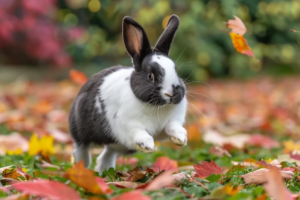
A rabbit's breeding cycle—mating, pregnancy, and lactation—needs stage-by-stage care. Screen breeding stock for illness, watch pregnant does for lethal infections like salmonellosis and bordetellosis, and manage the nest box and kits to avoid mastitis, yellow-urine disease, and chilling. Good hygiene and prompt treatment keep losses low.
What to Do with Newborn Hamster Pups
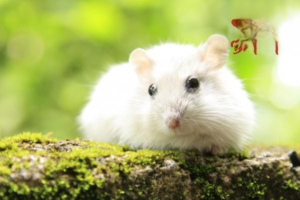
Hamsters breed far more often than cats or dogs thanks to a high conception rate. After birth, keep the mother undisturbed and warm, separate the father at once, and boost the dam's protein and calcium; handle pups only with care since your scent can trigger rejection. For orphaned litters, bottle-feed goat's milk formula every 2–3 hours.