Search Results
1419 results for “cats”
What to Keep in Mind When Using Topical Flea and Tick Treatment on Cats
Cats can pick up external parasites at any time of year, so regular preventive treatment matters. Topical products come as sprays or spot-on drops, and their coverage depends on the active ingredient, so the right choice depends on your cat's lifestyle and the parasites it faces. Apply spots along the spine, dose by weight, avoid bathing for a few days, and use an Elizabethan collar to prevent licking. Kittens can start around two months old with monthly treatment; adults need it every one to three months, more often in warm seasons or for outdoor cats. Never use dog-only products containing permethrin on cats.
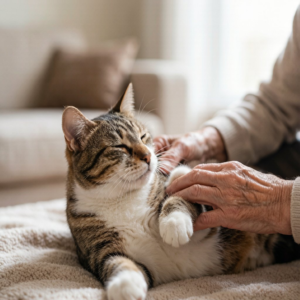
Why Are Cats Raised by Elderly Owners So Calm and Obedient?
Cats kept by elderly owners often seem gentler and more obedient than the lively pets raised by younger people, and the reason is rooted in pet behavior science. Cats love calm, predictable routines, and an older person's slow, regular daily rhythm gives them a sense of safety that lowers their guard. Seniors also provide the 'effective companionship' cats value most—short, low-intensity interactions like petting and soft talk scattered through the day—rather than infrequent marathon play sessions. On top of that, elderly owners tend to be gentle yet consistent: they neither shout nor overindulge, setting clear rules while offering unconditional acceptance. This calm, secure environment lets a cat relax and show its sweetest side.
Why Cats Eat Less in Winter (and What to Do)
Cats are poor at regulating body temperature, so when it gets cold their metabolism slows and appetite often drops. Lower winter activity also weakens gut motility, slowing digestion and leading to reduced interest in food. Appetite loss can also signal a health problem—a chill, a cold, oral disease, or long-term cold drinking water causing stomach upset. To help, warm your cat's surroundings, feed on a fixed schedule, and boost palatability by mixing in favorites like chicken, fish, freeze-dried treats, or egg yolk, and serve food slightly warmed. If you notice sneezing, runny nose, lethargy, fever, diarrhea, or vomiting, see a vet.
Can Cats Eat Seafood?
Cats can eat seafood, but only the right kinds and in strictly controlled amounts—otherwise you risk digestive upset or even poisoning. Not every seafood is safe: squid, octopus, shellfish, and sea crabs are best avoided. When feeding shrimp, remove the head, tail, shell, and vein first. Freshwater fish like salmon and cod are good choices, rich in quality protein and amino acids. Some cats are allergic to seafood, and heavy metals such as selenium and mercury in certain types can harm the nerves and liver, while shellfish may carry parasites or cause choking and blockage. Always watch the portion size, because a cat's digestion is delicate and any food in excess can backfire.
Why do cats recover from distemper after surviving 7 days?
The virus's cycle is about 7 days; passing day 7 means clearing the danger period. Days 3-5 are the riskiest, with white cells dropping then rebounding; by day 7 vomiting eases and appetite returns.
Is feline panleukopenia contagious between cats?
Yes - it spreads via feces, vomit and direct contact. Keep unvaccinated or sick cats away, and disinfect your hands after going out before touching your cat.
Do cats have periods (menstruation)?
Cats do not menstruate, but they do go into heat. Unlike dogs, they do not bleed from the vulva; instead they show vocalizing, restlessness, inappropriate urination and interest in mates.

Is It Normal for Cats to Swallow Kibble Without Chewing?
Cats that gulp down kibble without chewing are usually behaving perfectly normally, and it generally does not harm their digestion. This fast-eating habit is inherited from wild ancestors who swallowed prey whole to avoid losing it to rivals, while a cat's sharp, offset molars are built for tearing rather than grinding food the way human teeth do. Most modern kibble is formulated to be easily digestible, so whole swallowing is rarely a problem. However, a sudden shift to non-chewing, signs of mouth pain while eating, or undigested kibble appearing in the stool or vomit can signal dental disease or poor digestion. Choosing appropriately sized kibble, using a slow-feeder bowl, and offering chewy treats such as freeze-dried meat can encourage healthier eating. Keep an eye on your cat's habits and consult a vet if anything changes.
Can Cats Eat Ice Cream
On a hot day your cat may beg for a lick of your ice cream, but it is best not to share. Ice cream is loaded with sugars a meat-eating cat does not need and cannot digest well, which strains the organs and, with its high calories, packs on weight - and cats cannot even taste sweetness, so they are really after the milk smell. Many cats are lactose intolerant and get diarrhea from the dairy. The bigger danger is flavor: chocolate holds theobromine that can poison a cat within 4-24 hours; coffee and matcha both carry caffeine that can trigger seizures and fatal breathing failure. Skip the scoop and keep your cat to its own treats.
The Secret Behind Cats With Two Different Eye Colors
Odd-eyed cats - sometimes called "strange eyes" - have two differently colored irises and usually turn up in white cats; among purebreds, matching eye color is the norm, so odd eyes are typically from mixing. The condition, heterochromia iridis, is not a disease. Japan once called gold-and-blue eyed cats a symbol of luck, and Thailand's native Siamese region named the look "diamond eyes." The cause is the dominant white (W) gene, which suppresses pigment cells; without them the iris looks blue, and the same missing cells also fail to form the ear's sound sensors, which is why many white blue-eyed cats have hearing loss. About 60-80 percent of white blue-eyed cats have some deafness, and a blue-eyed side in an odd-eyed cat carries a 30-40 percent chance of deafness on that ear.