Search Results
1419 results for “cats”
Why Are Overweight Cats Prone to Pancreatitis?
Chubby cats may look adorable, but excess weight quietly raises the risk of pancreatitis, a painful and serious inflammation of the pancreas. The pancreas secretes enzymes that digest fat, protein, and carbohydrates, but it is a sensitive organ that becomes inflamed when overworked. Overweight cats usually take in too much energy and fat, forcing the pancreas to produce extra digestive juice and overloading it. Obesity also disrupts cholesterol and fat metabolism, adding further pressure. Many heavy cats also eat large amounts of high-fat, high-calorie food, which expands the gut and stresses the pancreas even more. Age, genetics, and certain diseases add to the risk, so while obesity is not the only cause, it is a major one. Keeping your cat at a healthy weight through balanced, low-fat food and regular play is the best defense.
Which Cats Are Prone to Pancreatitis?
Any cat can develop pancreatitis, but some are clearly more vulnerable. Genetics play a role, with breeds like Persians, Siamese, and Maine Coons at higher risk. Obesity is another major factor, since overweight cats strain their pancreas far more than lean ones. Diet also matters: fatty foods, too many artificial additives, and table scraps all burden the pancreas and invite inflammation. Certain medications such as long-term aspirin, morphine, or tetracycline, and viruses like feline infectious peritonitis, can also trigger the disease. Prevention centers on strict weight control, high-quality food, and never dosing a cat without veterinary guidance. Watch for appetite loss, vomiting, or diarrhea and seek care early; diagnosis uses blood pancreatic lipase tests, ultrasound, or cytology, and treatment combines medication, diet management, and sometimes hospitalization.
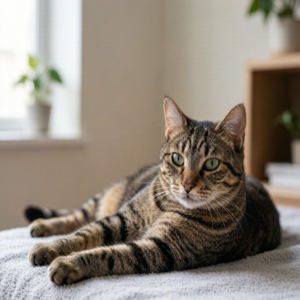
Causes and Treatment of Abdominal Breathing in Cats
Abdominal breathing in cats is often a symptom of an underlying disease—pleural effusion, a congenital diaphragmatic hernia, or feline infectious peritonitis (FIP) among them—so it always warrants attention and a prompt trip to the vet. A healthy cat breathes 20–40 times per minute; obvious difficulty, rapid or shallow breaths mean seek care immediately. Beyond treating the root cause, prevention matters most: keep up with vaccinations, schedule regular check-ups, and maintain a clean, well-ventilated, smoke-free environment to protect your cat's respiratory health.
Are Dogs or Cats Smarter?
The question of whether dogs or cats are smarter has no simple answer, because intelligence depends on how we define it. Physically, dogs have roughly twice the number of neurons as cats and a longer history of living alongside humans, which shows in their trainability. Many dogs understand over two hundred words and read human body language and emotion with ease. Cats, however, are independent problem-solvers that learn through observation, excel at hunting instincts, and can pick up simple routines like using a litter box. Rather than competing, each species displays a different kind of cleverness: dogs through social cooperation, cats through intuition and independence. In the end, both bring unique joy and companionship, so the scoreboard matters far less than the bond you share.
Where Do Cats Like to Hide?
Cats are naturally cautious and alert, so they are drawn to hidden, dark, and narrow spaces where they feel safe. Common hideouts include under the bed or sofa, inside cabinets and small enclosed spaces, up on high shelves and bookcases, and tucked inside boxes, bags, and even the occasional sink. Outdoors, cats slip into grass and bushes to explore and play. Knowing your cat's favorite spots helps you find it faster when it disappears, and understanding this instinct lets you support its well-being. Providing a closed, secure, and comfortable retreat of its own satisfies a cat's need for privacy and can greatly increase its happiness at home.
Why Do Cats Get Folliculitis?
Feline folliculitis is a common skin condition that causes discomfort and distress for cats. It can be triggered by a mix of external factors, daily habits, and even genetics. Environmental issues such as bacteria, fungi, and parasites thrive in warm, humid conditions and raise the risk of infection. Over-grooming, scratching, and poor coat care can also damage the skin and lead to flare-ups, while long-haired breeds like Persians and Siamese are genetically more prone to it. The good news is that folliculitis is manageable. Treatment involves clipping the affected area, cleaning with saline, disinfecting with iodine, and applying an antibacterial ointment daily. Prevention relies on a balanced diet, regular grooming, a clean and dry living space, gentle bath products, and routine veterinary checkups. With the right care, owners can greatly reduce the likelihood of recurrence.
Why Cats Develop Uremia (and How to Prevent It)
Uremia occurs when kidney damage stops a cat from clearing waste and toxins, which then build up and harm the body. Causes include age-related decline, unbalanced nutrition, and low water intake, while other illnesses can also damage the kidneys. Watch for changes in urination frequency and volume, dark or cloudy urine, and appetite loss, weight drop, vomiting, or dehydration. Prevention centers on high-quality food, plenty of fresh water, a clean environment, and regular checkups and vaccinations; treatment involves medication, fluid therapy, and nutritional support.
What Causes Watery Stool in Cats?
Watery stool in cats can stem from diet, digestion, or disease, and the fix depends on the cause. Drinking too much water or eating very moist food can loosen stools, as can irregular, all-you-can-eat feeding that upsets a sensitive gut—here, pet probiotics help restore balance. Parasites and viruses are more serious: worms in the stool signal a parasite infection needing deworming, while an unvaccinated cat with watery diarrhea may have a dangerous viral infection and needs a vet fast. If diarrhea lasts or comes with other symptoms, see a clinic. Prevent it with measured feeding, regular deworming and vaccines, and a clean, disinfected home.
Does Abdominal Fluid in Cats Always Mean FIP?
Fluid in a cat's abdomen, or ascites, is a sign—not a diagnosis. It can stem from liver or heart disease, kidney failure, malnutrition, or peritonitis caused by infection, viruses, or injury, and only one of those causes is feline infectious peritonitis (FIP). Because the symptom alone cannot confirm FIP, diagnosis needs bloodwork, imaging such as X-ray or ultrasound, and viral testing. If your cat shows a swollen belly, lethargy, fever, or breathing trouble, see a veterinarian promptly to find the real cause.
Are Cats Afraid of Thunder?
Cats hear a far wider range of sound than people do, so a thunderclap that seems loud to us can be overwhelming to them. The sudden onset, before they have time to adjust, can trigger real fear and even stress-related illness—especially in timid cats or certain sensitive breeds. During storms, move your cat to a quiet, comfortable room, offer treats or toys to distract it, and stay calm and close. Longer term, gentle sound-socialization as a kitten can help a cat tolerate loud noises such as thunder and fireworks.