Search Results
1419 results for “cats”
Why Are Cats Afraid of Cucumbers?
Many cat owners are puzzled by the now-familiar sight of a cat leaping away from a cucumber placed nearby. This fear usually stems from a combination of instinct, vision, smell, and learned experience. Cats are naturally alert and cautious around sudden, unexpected objects, and a long green cucumber can trigger a strong startle response—some cats even mistake it for a snake. Their highly sensitive noses may also react to the vegetable's scent. A bad past encounter can create a lasting phobia. Understanding these triggers helps owners avoid deliberately scaring their cats, since such shocks can cause real stress and even illness.
Why Do Cats Have Difficult Labor?
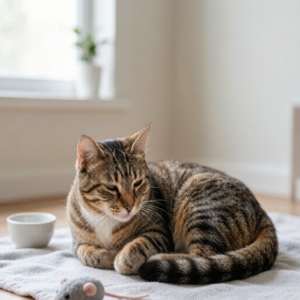
Dystocia in cats has many causes: existing health problems or illness during pregnancy, overly large kittens, abnormal positioning, or stress during delivery all raise the risk. Before birth, take steps such as a prenatal check to lower the risk and protect mother and kittens.
Caring for Senior Cats and Dogs: A Stage-by-Stage Longevity Plan
Cats and dogs are considered senior at around age 7, when metabolism slows and organ function begins to decline. With staged, careful care, companion pets can live an average of 2–3 years longer. This guide breaks senior care into three phases—ages 7–9, 10–12, and 13 and up—covering diet adjustments, weight control, dental and joint support, stress avoidance, and a sensible checkup schedule. The goal is not expensive supplements but steady, calm, well-planned daily care.

How to Help Cats and Dogs Get Along
To keep cats and dogs friendly, consider their temperaments before adding a pet, avoiding two short-tempered animals together, and guide them to build a good relationship. Give each its own bowls and enough food and water, and let each have its own territory to avoid fights over resources and space.
Can Obesity Cause Fatty Liver in Cats?
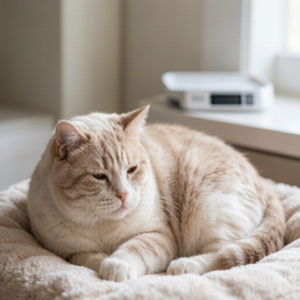
Overweight cats are at higher risk of fatty liver, because excess fat around the liver can move into it. Fat cats also more often have diabetes and pancreatitis, which can lead to fatty liver, and prolonged starvation is another common cause. Symptoms include anorexia, weight loss, vomiting, and jaundice, and severe cases can be fatal, so prevention matters.
Do Cats Hold Grudges After Being Hit? (Why You Shouldn’t Hit Them)
Many owners think a single hit is no big deal, but cats have strong short-term memory for painful or frightening events. A kitten may not "hold a grudge" but will remember being hurt and slowly lose trust, hiding whenever it sees you. Adult cats remember even more and are quicker to resent. Hitting rarely teaches a lesson, since only a few very smart cats grasp your intent. Signs of a grudge include refusing touch, destroying things, inappropriate elimination, counter-attacking, or running away. The fix is to stop all physical punishment, rebuild trust with treats and play, and correct with a firm voice, time-out, rewards, or a mother-cat style neck tap instead.
Bad Breath in Dogs and Cats Is Not “Heat”—3 Types to Self-Check
When dogs or cats have bad breath, many owners assume “heat” and reach for cooling teas or herbs—but most pet halitosis is a disease signal, not a temperature issue. A rotten, fishy odor with red gums, tartar, hesitant eating, or drooling points to periodontal disease (over 70% of pets over 3 years); a strong urine or ammonia smell with extra drinking, extra urination, lethargy, and low appetite signals declining kidney function; and a sour, fermented odor with burping, acid reflux, worse on an empty stomach, and soft stool points to gut or liver trouble. Mild breath, teething at 3–6 months, or a meaty diet smell are normal. Severe or symptomatic breath warrants a vet visit—blood and organ checks—not “cooling” remedies.
Which Fruits Are Safe and Healthy for Cats?
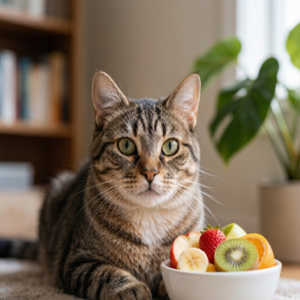
In moderation, fruits like watermelon, papaya, cantaloupe, apple, kiwi, strawberry, blueberry, and banana can benefit cats by adding vitamins, fiber, and water that aid digestion and help cats who drink little avoid urinary issues. But cats are carnivores whose core nutrition comes from meat protein, so keep fruit minimal to avoid soft stools or diarrhea. Always remove peel and seeds, and never offer toxic fruits such as grapes, raisins, persimmon, lemon, cherry, or avocado.

Yes, Cats Get Jealous: 5 Signs to Watch For
Cats may look aloof, but they do feel jealousy, rooted in a strong sense of ownership. When a new pet arrives or you focus on another animal, a cat may fixate on the "rival" while emitting a low growl. Some cats act out by spraying, destroying things, or fighting; others go quiet, hide, and refuse food. That withdrawal reflects sadness and anxiety, and if ignored it can harm health, lowering immunity, causing weight loss, or triggering feline idiopathic cystitis. The good news is that jealousy means your cat cares; more one-on-one time and a slow introduction of newcomers resolve most cases.
Why Are Cats Allergic to Grains?
Many cats are allergic to certain grains, and the reasons tie to genes and digestion. Grains are common fillers and cheap protein sources in low-cost cat food, packed with carbohydrates, but cats are carnivores whose digestive systems are poor at handling large amounts of carbs. Too many grains burden the gut and can trigger allergic reactions, and genetics also matter: each cat differs, with some rarely reacting and others reacting easily. Symptoms include vomiting, diarrhea, itch, and skin inflammation, so see a vet if you suspect a grain allergy. The fix is to remove grains from the diet by choosing high-quality meat-based food, such as chicken or beef recipes, and avoiding wheat or corn, while skipping poor-quality meats with many additives. Add gut-friendly probiotics and fiber, and if the trigger is unclear or your cat is prone to reactions, use a hypoallergenic diet built on easily digested proteins with no grains or additives. Food allergies cannot be cured, so careful lifelong diet management is the key to keeping reactions away.