Search Results
121 results for “cataract”
My 13-year-old dog has bone spurs, can’t walk well, cataracts, and barks constantly; what is going on and how to treat it?
At 13 with bone spurs, cataracts, and constant barking, these are age-related issues. Pain and vision loss make the dog call out for attention or comfort.
What are the early signs of cataracts in a dog?
Early cataracts may show the pupil turning white or gray, blurred vision, walking unsteadily, bumping into objects, or taking wrong routes. Cataracts are clouding of the lens causing blurred vision and possible blindness. Any age can be affected, but older dogs are more likely. See a vet early if suspected.
What happens if a cat’s cataract is left untreated?
A cat cataract is a serious eye disease that clouds the lens and impairs vision. Without treatment it worsens and can cause complete blindness, plus secondary infections like keratitis and iris inflammation.
How long can a dog with cataracts live?
Cataracts usually do not affect lifespan, but mature cataracts cause blindness and injury risk. Early treatment can cure, and elderly dogs need regular checkups.
How long until a dog’s cataracts cause blindness?
Blindness occurs only at the mature stage, and timing is not fixed. Timely treatment can cure cataracts, but untreated mature cataracts cover the pupil and cause blindness.
How long does it take for a dog’s cataracts to reach the mature stage?
Cataracts cause blindness only at the mature stage, and the timing varies from months to years. Follow the vet's care to prevent worsening.
Does a Pet With Cataracts Always Need Surgery?
Surgery is the only cure that reverses cataracts, while medication only slows them and risks complications, so it is reserved for pets with other eye disease or who cannot be anesthetized. The best advice: operate early, do not wait for full maturity, because modern phacoemulsification needs only a tiny incision and greatly lifts success. This Q and A explains the key decisions.

Canine and Feline Cataract: Symptoms, Treatment, and Prevention
Cataract is clouding of the lens in dogs and cats—often in old age or from diabetes, glaucoma, or toxins—that blurs and can destroy vision. Medicines help early stages, but surgery is the main cure.

Why do dogs get cataracts?
Cataracts mainly come from aging, genetics, eye trauma, or secondary disease such as diabetes and uveitis.
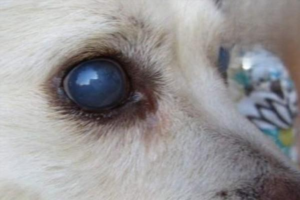
What to Do About Dog Cataracts
Cataracts cloud the lens and slowly steal a dog's sight, worst in older dogs where it advances slowly. The only real cure is surgery, but early stable cases may need none; afterward, careful aftercare and breed-specific eye hygiene matter.