Search Results
348 results for “cat wound care”

What to Know Before and After Spaying or Neutering Your Pet
Spay and neuter surgery is routine but still deserves careful preparation. Picking a trusted clinic, fasting beforehand, and running pre-op tests keep anesthesia safe, while post-op care around wounds, food, and an Elizabethan collar protects a smooth recovery. This guide walks owners through the whole journey, from booking to stitch removal.
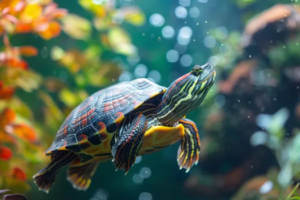
Tick Infestation in Pet Turtles: Risks and Removal
Ticks are a common external parasite in turtles, usually picked up when a turtle wanders into grass where the parasites wait. Beyond drawing blood and causing local swelling, some ticks carry viruses that can be fatal, and careless removal can leave the tick's head embedded in the skin and trigger infection. The safe approach is to paralyze the tick with the right medication first, then lift it out with tweezers and clean the wound. This guide covers how turtles get ticks, why they are dangerous, and the step-by-step removal method every keeper should know.

What to Do If a Guinea Pig Bites You
If a guinea pig bites you, wash the wound thoroughly with warm water and soap to remove saliva and bacteria, gently squeeze out a little contaminated blood if it bleeds, then press with a bandage to stop bleeding and disinfect with iodine or alcohol. Seek medical care for deep or facial wounds. To prevent future bites, learn the trigger—defense, pain, fear, stress, or lack of socialization—and address it with gradual handling, a stimulating environment, and respect for the animal's individual boundaries.
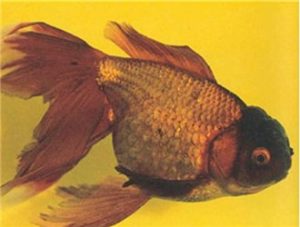
Brown Oranda with Curled Opercula
In goldfish, curled opercula is usually a disease sign, but the Brown Oranda with Curled Opercula has gill covers that grow everted from inside out like a wound - a hereditary variation.
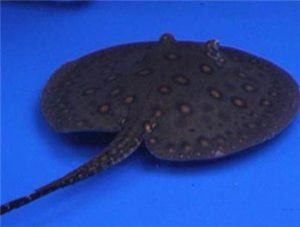
Pearl Stingray
The Pearl Stingray (Potamotrygon motoro), also called the Amazon River Stingray, is a common stingray in aquariums. Its charming pattern of round cream spots like pearls gives the name 'Pearl Stingray'.

Australian Spotted Arowana
The Australian spotted arowana (Scleropages leichardti) — also called the spotted barramundi or northern saratoga — is a large, nocturnal, fiercely aggressive arowana from eastern and northern Australia. A carnivorous tank boss that needs a big aquarium, soft acidic-to-neutral water, and careful, varied feeding.
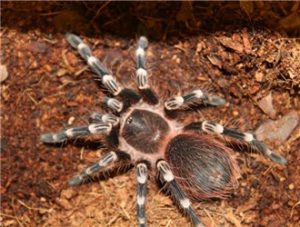
Brazilian Whiteknee Tarantula
The Brazilian whiteknee tarantula (Acanthoscurria geniculata) is a boldly black-and-white striped, fast-growing pet tarantula from Brazil — note that taxonomically it is an arachnid, not a reptile, but it is grouped here with the reptile-archive keepers' species.

Pritchard’s Turtle
Pritchard's turtle (Mauremys pritchardi) is a Geoemydidae turtle found in China and Japan. Its looks blend the Chinese pond turtle and the yellow pond turtle, and some researchers believe it is a natural hybrid — though that is not officially recognised.

Pudding Hamster
The Pudding Hamster is a popular pet variety named for its pudding-yellow coat. Gentle and easy to handle, it is heat-sensitive, territorial, and can nip — so wash your hands before handling and never co-house it. It lives 1–3 years and needs steady 20–28°C and careful, chew-safe feeding.

Lionfish
Lionfish (Pterois), also called turkeyfish, is a popular ornamental marine fish with a distinctive fan-like pectoral fin. Its dorsal-fin spines are venomous—a sting causes severe pain and, in serious cases, fainting.