Search Results
348 results for “cat wound care”

Hydrophis cyanocinctus
The blue-banded sea snake (Hydrophis cyanocinctus) is a venomous marine snake found along the coasts of East and Southeast Asia, distinguished by its black banding and strong swimming ability. It feeds mainly on fish and gives birth to live young in the open sea.
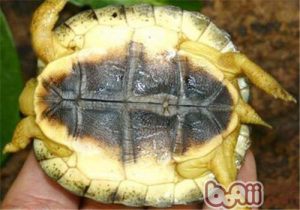
Furrowed Wood Turtle
The furrowed wood turtle (Rhinoclemmys areolata) is an aquatic, strong-swimming turtle from the Yucatán Peninsula. Omnivorous but plant-leaning in the wild, it is scarce in the pet trade and can be difficult to acquire.

Pseudemys alabamensis (Alabama Red-bellied Turtle)
The Alabama red-bellied turtle is a small to medium aquatic turtle with a carapace 35–45 cm long. Hatchlings are vividly colored, but in the wild adults become dull and grayish-black; captive-bred individuals can retain their bright coloration.

Canine and Feline Gastrointestinal Adenoma (Polyps)
A gastrointestinal adenoma, also called a polyp, is a benign gut growth seen more often in dogs than cats and can appear anywhere in the digestive tract. Surgical removal usually cures it, though rectal polyps tend to return.

Canine and Feline Ear Laceration
An ear laceration is a torn wound of the ear flap, usually from fighting, rough play, or prolonged squeezing and friction. Treatment depends on depth — from simple skin closure to separate repair of cartilage and skin — and an Elizabethan collar protects the healing wound.

Streptococcal Infection in Dogs: Symptoms, Treatment, and Prevention
Canine streptococcal disease is a zoonotic illness caused by a group of pathogenic pyogenic cocci. Puppies often develop an acute septicemic course through umbilical infection. Bacteremia brings fever, catarrhal to hemorrhagic enteritis, infected inflamed umbilical sites, and joint metastasis causing arthritis, ending in septicemic death.

Feline Immunodeficiency Virus (FIV): Symptoms, Treatment, and Prevention
Feline Immunodeficiency Virus (FIV), often called 'feline AIDS,' is a chronic retroviral infection of cats first identified in 1987. It weakens the immune system so cats become vulnerable to secondary infections. Unlike human HIV, FIV is not sexually transmitted; it spreads mainly through bite wounds and shared saliva, and infected cats often live a normal lifespan. The virus does not infect humans.
My 52-day-old kitten has raw, rotting toes, keeps biting them, and the surrounding fur is gone—what’s the cause?
This is likely interdigital dermatitis, causing red, swollen, itchy, or ulcerated toes. For mild cases, clip the surrounding fur, clean with chlorhexidine, apply a topical antibiotic, and keep an Elizabethan collar on; seek veterinary care if it is severe.
My hamster got superglue on its fur and chewed it off – will the fur grow back?
Fur chewed off after a superglue accident usually regrows. Here is how to care for the skin and when to worry.

What to Do If Your Pet Has a Fracture
Fractures are usually caused by accidents such as falls from height, being hit by a car, or blunt force trauma. If your pet shows lameness or refuses to bear weight on a limb afterward, a fracture is very likely.