Search Results
131 results for “cat territorial”

Angonoka (Ploughshare) Tortoise
One of the world's ten most endangered turtles - fewer than 1,000 left in Madagascar, CITES I, and effectively not tradable. Education-only profile.

Pig-nosed Turtle
A bizarre, soft-shelled, flipper-limbed 'fly river turtle' that looks more like a turtle-bream hybrid - fully aquatic, sensitive to water quality, and a committed non-basker.
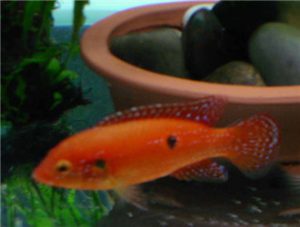
Jewel Cichlid (Hemichromis bimaculatus)
The jewel cichlid (Hemichromis bimaculatus) is vividly colored—especially the female during spawning. Beyond ornament, it is kept as a lab animal. Its temper is fierce and territorial, so caution is needed when mixing with other fish.
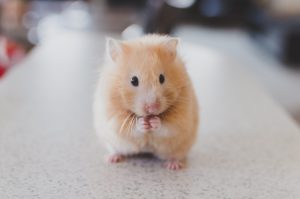
Pudding Hamster
The Pudding Hamster is a popular pet variety named for its pudding-yellow coat. Gentle and easy to handle, it is heat-sensitive, territorial, and can nip — so wash your hands before handling and never co-house it. It lives 1–3 years and needs steady 20–28°C and careful, chew-safe feeding.

Leiocephalus personatus
The Masked Curlytail Lizard (Leiocephalus personatus) is a small, active, territorial lizard from the West Indies, famous for curling its tail like a spring when excited. A hardy basking lover that does well in groups of one male with several females, it eats almost any non-toxic insect.

Bell’s/Lowveld Hinge-back Tortoise
Bell's Hinge-back Tortoise (Kinixys belliana) is a relatively common hinge-back tortoise that lives a solitary life in dry habitats. Demanding in its care, it is not recommended for beginner keepers.

Creaser’s Mud Turtle
Creaser's Mud Turtle (Kinosternon creaseri) is a lesser-known mud turtle with a dark shell and pale head. Known for its aggression and strong territoriality, it is rarely kept in captivity and seldom seen in the market.

How to Treat Scale Loss in Blood Parrot Cichlids
Find the cause before treating scale loss in blood parrot cichlids: fighting from overcrowding, poor water with bacteria (leading to red-skin disease or fungus), or injury. Fix overcrowding with a bigger tank or separation and yellow powder; clean the water and add salt or potassium permanganate; for red-skin or fungal disease, isolate, disinfect the tank, and use salt/permanganate or furacillin baths.

Feline Infectious Respiratory Diseases: Causes, Treatment, and Prevention
Lethargy, loss of appetite, sneezing, and persistent runny nose in cats often signal an upper respiratory infection, a highly contagious disease that is especially dangerous for kittens.
Litter Box Care: Setup and Maintenance
The effort you put into choosing, placing, and caring for the litter box is vital to your cat's health and happiness. Wrong elimination (peeing outside the box) hurts both cat and owner.