Search Results
810 results for “cat space”

Finnish Spitz
The Finnish Spitz, also called the Finnish Fox Dog, is a hunting breed from Finland developed in the late 18th century. Resembling a fox with its pointed muzzle, erect ears, dense coat, and curled tail, it is gentle, calm, loyal, and brave.

Yorkshire Terrier
The Yorkshire Terrier is a small toy terrier with a silky, flowing coat, originally bred in England's Yorkshire region for catching rats. Confident and affectionate with its family, it is a popular companion dog.

Caucasian Ovcharka
The Caucasian Ovcharka is a large, powerful livestock guardian from the Caucasus Mountains. Successful breeding relies on linebreeding to preserve desirable traits while limiting inbreeding risks, and the breed needs ample space, regular exercise, and a diet suited to its great size and appetite.

Do Chinchillas Carry the Plague?
Chinchillas do not carry the plague. Their fur is far denser than any other animal's, so fleas and parasites are essentially absent, and as caged pets they rarely encounter serious disease. They can still host other germs, so avoid bites and keep their environment clean.
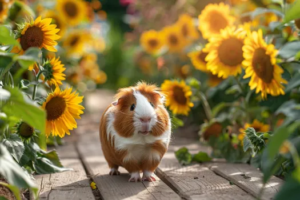
Causes of Anorexia in Guinea Pigs
Guinea pig anorexia comes from both internal and external factors. Internally, overgrown or misaligned teeth, mouth sores, vitamin C deficiency, obesity, pain, or certain medications suppress appetite. Externally, sudden feed changes, temperature swings, stress, and food competition among cage-mates can all trigger refusal to eat.

Are Guinea Pigs Hard to Keep? Care Tips to Know
Guinea pigs are easy to keep — they are rodents (not pigs) that eat mainly grass. Give them a dry, clean cage with room to roam in groups, feed pellets and hay while limiting watery produce, and keep the temperature above 20°C to avoid chills.

How to Keep an Arowana
As living standards rise, more people keep arowana. The fish is delicate and needs careful care. Here our experts share key arowana-keeping points, hope it helps you keep them well.
What causes arowana gill prolapse (flared gills)?
Arowana gill prolapse has many causes: poor water quality, small temperature swings, cramped space, bacterial infection. Poor water (wrong temp/pH, high ammonia) is most common—change water and adjust. Bacterial or parasitic infection needs medication.

Best Tortoise Breeds for Beginners
Burmese tortoises and red-footed tortoises are the best picks for beginners because they tolerate lower temperatures and are easier to keep. Both need a proper enclosure with heating and UVB lighting, plus a plant-based diet rich in fiber and calcium.

How to Keep a Radiated Tortoise Indoors
Radiated tortoises are popular but fragile as hatchlings. Indoors, use a 90×60×45 cm (or larger) enclosure, coconut-soil substrate, 60-70% humidity with an 80% hide, a shallow water dish, and a UVB/heat lamp with a temperature gradient (24-29°C day, ≥21°C night). Soak 2-4 times weekly. Hang lamps to avoid burns.