Search Results
810 results for “cat space”

What to Do When Your Cat’s Voice Is Hoarse
A hoarse cat can result from infection, a cold, laryngitis, or strained vocal cords. Watch for fever, cough, sneezing, or runny nose; if present, a vet-formulated cold and anti-inflammatory remedy may help, and severe cases need a clinic. With no other signs, give plenty of water and soft food to ease throat irritation, keep the cat undisturbed to rest, and away from smoke, chemical odors, and dust that aggravate the throat. Most cases are temporary and improve with rest and humidity.

What to Do When Your Cat Loses Appetite in Summer
Hot weather can drop a cat's appetite, and so can warm or dry food, illness, parasites, moving, or household stress. Keep the environment cool and shaded, offer light wet food rather than hot meals, and place several water bowls around the home so a dehydrated cat can drink anytime. Gentle play and a clean living space help, as does adding a pet probiotic to the food. Favorite toppers like canned food, freeze-dried meat, or chicken can renew interest. If appetite stays poor, have a vet rule out disease or worms.
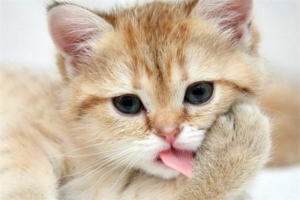
Why Your Cat’s Eyes Keep Getting Inflamed
Frequent feline eye inflammation often starts with a dirty, dusty home that lets bacteria or fungi take hold, or with injuries from branches and grass during play. Allergies to pollen, dust, or food can trigger it, and some cats are born with eyelid deformities like entropion or ectropion that invite infection. Have a vet confirm the cause and treat with medication or surgery when needed. At home, keep the environment clean, limit outdoor risks, and wipe the eyes regularly with saline to cut down on dust and bacteria.

How to Correct Food Guarding in Cats
Food guarding is instinctive, common in roughly one-month-old kittens and stray cats that competed for scarce food. Kittens can be won over by hand-feeding and gentle trust-building; strays need space while eating. Multi-cat homes should feed separately in their own bowls and use play plus treat rewards to lower tension. The goal is to show the cat you provide food rather than steal it.

Midget Sucker Catfish
The Midget Sucker Catfish is 4 to 6 cm long, also called the Earspot Catfish. Unlike many catfish, it does not eat plants. Because of its tiny size and ability to enter very narrow spaces, some keep it as the 'cleaner' of the aquarium.

African Spurred Tortoise (Sulcata)
The third-largest tortoise in the world and a desert specialist - adorable as a hatchling, but it grows into a 50-70 kg excavation machine.

Degenerative Arthritis in Dogs and Cats: Symptoms, Treatment, and Prevention
Degenerative arthritis (osteoarthritis) is non-suppurative wear of joint cartilage from years of uneven load, more common in older pets. It causes pain, stiffness, limited motion, and lameness that worsens with activity and cold weather. Weight control, controlled exercise, pain relief, and surgery in severe cases manage it.

Anaerobic Infections in Dogs and Cats
Anaerobic infections are caused by bacteria that grow without oxygen, producing tissue death, gas, and foul-smelling discharge. They often mix with pus-forming bacteria and can lead to gas gangrene, malignant edema, and late anemia or dehydration. Opening the wound to air and veterinary antimicrobials are key.

Hematomas in Dogs and Cats
A hematoma is a localized collection of blood outside the vessels, usually from a blunt impact that ruptures small vessels under intact skin. It appears as a rapid, non-painful swelling. Prompt pressure bandaging and, when large, veterinary drainage prevent infection and tissue damage.

Carbon Monoxide Poisoning in Dogs and Cats
Carbon monoxide poisoning occurs when pets breathe gas from faulty heaters, car exhaust, or confined smoke. It binds to blood and starves tissues of oxygen, causing vomiting, weakness, bright-red gums, seizures, and coma. Move the pet to fresh air and get veterinary help at once.