Search Results
810 results for “cat space”

5 Things to Prepare Before Bringing a Cat Home
Bringing a cat home is a long-term commitment, so before you do, make sure you are truly ready to welcome a new life into your care. Preparation makes all the difference to your cat's smooth transition. First, learn the basics of feline care and, above all, prepare yourself mentally. Understand your cat's usual diet from the previous owner and avoid sudden food changes that can cause diarrhea or vomiting. Set up a quiet, cozy sleeping area, a generously sized litter box with the litter your cat prefers, and plenty of scratching posts and toys to prevent furniture damage. Choose a sturdy, well-ventilated carrier for trips. When your cat first arrives, give it time to adjust to unfamiliar smells—never force it out of hiding, and if it refuses food for more than three days, see a vet.

Postpartum Care for Mother Cats
Cat birth is long and exhausting, leaving the mother weak and far more vulnerable to disease. Poor aftercare can lead to uterine problems or lasting complications, so postpartum care matters. Within two hours of delivery, observe quietly without disturbing her or the kittens. Then focus on three pillars: nutritious food (more protein, fat, vitamins, and minerals, plus broths and milk), a calm, clean, warm environment with a disinfected nest, and vigilance for uterine disease and mastitis—seeing a vet at the first sign of trouble.

Should You Vaccinate a Cat That Has a Cold?
Don't vaccinate a cat that has a cold—wait until it recovers. Vaccinating a sick cat can cause vaccine failure and lower its already weak resistance, worsening the cold or inviting other infections. The best time to vaccinate is when the cat is healthy, the right age, and its immune system is working normally. Kittens usually get their first shot at about 8 weeks, commonly three shots spaced three to four weeks apart; adults typically get two feline-combination shots, the second three to four weeks after the first. After that, a titer check every three years shows whether boosters are needed. Also skip vaccination if the cat is vomiting, diarrheal, newly recovered, low in spirit, pregnant, has an allergy history, swelling, or is already infected.

Recipe: Homemade Chicken Jerky Cat Treats
Dried chicken jerky is a great cat treat, especially for cats with tartar, yellow or black teeth, bad breath, or frequent mouth problems — it cleans teeth remarkably well. Slice chicken breast into strips of different widths for different purposes, dry them in a dehydrator for over six hours, and store in a sealed container. A cat may gag briefly if it eats too fast; that is normal. Suitable for cats over three months old.

What to Do When Your Cat Has a Weak Immune System
A cat with weak immunity gets sick easily, and several factors can be responsible—an unbalanced diet, an unclean living environment, genetic predisposition, advancing age, chronic stress, or lack of exercise. Because the causes vary, care should be tailored to the individual cat. In general, boosting immunity means feeding a balanced diet, encouraging moderate exercise, keeping the environment clean and sanitary, staying current on parasite control and vaccinations, and providing routine grooming. With consistent, personalized management, you can strengthen your cat's natural defenses and reduce how often it falls ill.
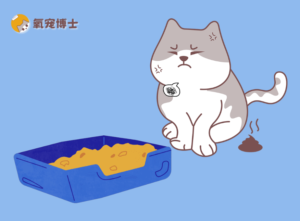
Why Won’t My Cat Use the Litter Box?
A cat that suddenly stops using the litter box is sending a signal, not being spiteful. The cause is usually the box itself—dirty, cramped, noisy, the wrong litter, or too few boxes in a multi-cat home—or a health issue like constipation, diarrhea, or joint pain. Stress from changes at home is the third big driver. Fix the box and environment first; see a vet if pain or abnormal stool is involved.

Is a Cat in Heat in Pain When It Won’t Stop Meowing? How to Soothe It
A cat that yowls through heat is genuinely uncomfortable, though not in physical pain—hormone swings bring anxiety and a strong drive to mate, and the loud calls are an instinct to attract distant partners. You can't switch it off, but play, pheromones, warmth, and a calm dim space ease the distress. Spaying is the only lasting cure.

Does a Boarded Cat Feel Abandoned?
Cats don't grasp the abstract idea of being 'abandoned,' but they do form a secure attachment through daily life with you. Away from familiar smells, routine, and you, they can lose their sense of safety and stress out. Not every cat reacts this way—outgoing, well-socialized ones may settle in a day or three. Familiar items and a slow reintroduction at home make boarding far easier on them.

How to Reduce Heavy Shedding in a Ragdoll Cat
A Ragdoll's heavy shedding can stem from seasonal change, poor diet, weak care, stress or an underlying health issue. Brush regularly to stop mats, bathe on a sensible schedule with a gentle cat shampoo, and avoid salty or greasy food while adding omega-3 and vitamins for skin and coat. Keep the home calm and quiet, and if shedding stays severe, have a vet rule out skin disease, allergies, parasites or hormonal problems before treating.

Cat Won’t Eat or Drink in a New Home? What to Do
A cat that refuses food and water after a move is reacting to stress, not being difficult. Short refusals of a day or two are usually mild, but beyond 48 hours the risk of fatty liver rises, and beyond 72 hours you should call a vet. The fix is to lower stress—familiar scents, the same food, a calm presence—never force-feeding, which makes things worse.