Search Results
810 results for “cat space”

Are Cats Afraid of Thunder?
Cats hear a far wider range of sound than people do, so a thunderclap that seems loud to us can be overwhelming to them. The sudden onset, before they have time to adjust, can trigger real fear and even stress-related illness—especially in timid cats or certain sensitive breeds. During storms, move your cat to a quiet, comfortable room, offer treats or toys to distract it, and stay calm and close. Longer term, gentle sound-socialization as a kitten can help a cat tolerate loud noises such as thunder and fireworks.
What to Do If Your Cat Is Extremely Shy or Fearful of People?
A shy or 'socially fearful' cat isn't being difficult—it is usually reacting to past trauma, early separation from its mother, or prior abuse, though some cats are simply born timid. These cats avoid all social contact, hide or flee when approached, and in severe cases may even stop eating or drinking. The fix is patience, never force. Earn back trust with calm, gentle handling and a quiet environment, gradually increasing gentle exposure to people and other cats. If the fear stems from abuse or genetics, lean on a professional trainer to build a safe space and use positive reinforcement. With time and understanding, most fearful cats can learn to relax and enjoy company.
How to Stop a Cat From Scratching and Biting
Cats scratch and bite for many reasons: seeking attention, defending resources, fear or pain, new environments, or overstimulated play. Fix it with patience, not punishment. Build trust with affection and treats, reward calm behavior, avoid scaring the cat, and give it a safe play space with enough toys. If aggression persists from fear or stress, seek help from a veterinarian or a professional trainer.

What Kinds of Cats Are the Most Affectionate
Cats have a reputation for being aloof, so when one chooses to cuddle and beg for attention it feels like a real win. Affection shows up as following you room to room, jumping on your laptop, sleeping in your bed, sitting on your lap, meowing or pawing for notice, and rubbing its face on you. Male cats tend to be cuddlier than females because they act on instinct and, after neutering, pour that need for contact onto their owner. Breeds like American Shorthair, Ragdoll, Maine Coon, and Siamese lean affectionate. Build trust by meeting the cat's needs and respecting its space, but beware over-dependence: too much clinginess can become separation anxiety, a real stress disorder worth managing.
Do Cats Bully Each Other?
Bullying does occur among cats, yet owners often overlook it—especially in multi-cat homes. Cats are territorial animals that establish a social hierarchy, so competition over food, water, litter boxes, space, or a newcomer's arrival can trigger one cat to intimidate another. Typical bullying includes chasing, pouncing, biting, resource guarding, and social exclusion, while victims may over-groom, hide, lose appetite, or grow aggressive. Left unchecked, chronic stress harms the targeted cat's health and the household's harmony. The good news is that owners can prevent and reduce conflict by providing ample resources, introducing new cats gradually, intervening calmly when fights start, and avoiding favoritism. This guide explains why cats bully, how to spot both the behavior and its victims, and practical steps to restore peace.

Caring for Your Cat During Spring Festival
For the holiday, plan your cat's care three ways. Staying home: stock ample dry food, extra water (evaporation and spills happen) and thick cat litter - one cat wants about three boxes; lay waterproof pads on sofa and bed in case of stress-peeing. Road trip: use a spacious airline crate (not a cat bag for long drives), let the cat adapt to it beforehand with treats and a blanket that release calming pheromones, pack pee pads and wipes, shield shy cats from view, and drive gently since cats get carsick. Boarding: ensure vaccines are current, pick a cat-dog separated, larger space, bring familiar items and pheromone gear. Not all cats suit this - under-six-month kittens, medicated or chronic cats, pregnant or post-birth cats need special care. After return, wait 2-3 days before bathing, and watch for blockage (a post-holiday high-risk period).

What If Your Cat Licks Rubbing Alcohol?
A small lick of rubbing alcohol usually does little harm—watch your cat's appetite, mood, and litter habits, and if nothing is odd, it is fine. But cats cannot metabolize alcohol, so a larger amount damages the liver and other organs and needs urgent veterinary care: induced vomiting and stomach flushing. For wounds, clean with povidone-iodine (gentler than alcohol) and fit an Elizabethan collar so the cat cannot lick the site. Store alcohol and other irritants where cats cannot reach them. Knowing the dose is what decides whether a lick is harmless or an emergency.
How to Care for Your Cat in Summer
Cats have thick coats and dislike heat, so summer care centers on safe cooling to prevent heatstroke. Move the bed to a cool indoor spot, offer a cooling mat, trim only the paw fur (never shave—UV then damages skin), and keep air flowing with a fan or AC set no lower than comfortable, avoiding big temperature swings. Cats shed heat through their paw pads, so shorter paw hair helps. Hydration matters because fast summer metabolism raises dehydration risk—encourage drinking. Feed fresh food in small portions and clear leftovers fast, since wet food spoils quickly in the heat. These steps keep a cat comfortable through summer.
Why Is Your Cat a Picky Eater?
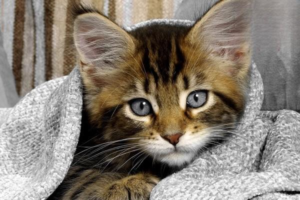
Picky eating often has a simple cause. A too-deep bowl blocks access; stale kibble loses its smell to a sensitive nose; an unwashed bowl grows microbes that ferment and repel the cat; or the cat simply dislikes the current flavor - some prefer fish, some chicken, and 'digging' at the bowl means try a higher-protein food. Signs: refusing kibble but loving treats, cans or meat; eating a bite then playing; if it ignores even favorite treats, suspect illness not pickiness. Long-term pickiness brings malnutrition, anemia and low blood sugar, so keep meals calm and switch to a palatable food when needed.

Summer Hazards for Cats
Summer is a rough season for cats. With poor sweating, they overheat fast - five minutes on hot asphalt, in a sealed space or on a sunny balcony can cause heatstroke: high temperature, fast pulse, panting, then dizziness, vomiting and coma. Move them to shade and cool with water or a fan, and rush to the vet if it does not ease. Warm weather also brings acute gastritis from spoiled food (limit water and feed easily digested fluids) and skin disease from fleas, mites and fungi - treat the cause and keep up prevention with cleaning and deworming.