Search Results
810 results for “cat space”

Can Erythromycin Ointment Treat Cat Chin Acne?
Cat chin acne is a form of folliculitis, often from hormone imbalance, allergies, or bacteria. Erythromycin ointment has anti-inflammatory and antibacterial action, so it can help—but a cat's skin is sensitive and the thick ointment may clog pores or trigger allergies, sometimes worsening things. The real fix is environmental and dietary: clean bowls (ceramic, steel, or glass—not plastic), low-dust litter, and a balanced diet. For mild cases, warm water or a chlorhexidine solution; for severe redness, hair loss, or bumps, a vet may suggest mupirocin, clindamycin, or erythromycin ointment.

How to Read Your Cat’s Mood From Its Ears
A cat's ears are a precise emotional radar: 32 independent muscles let them rotate 180 degrees to pin sound, and their position shifts with mood in real time. Forward and relaxed means content and trusting; upright and swiveling means alert and defensive, so don't disturb; flat back against the head (the "airplane ears") means fear or stress and a risk of fleeing or lashing out, so move the cat to a calm space and consider a pheromone spray. A single tilted ear shows curiosity, and frequent flicking just means something tickled the ear. Reading these cues helps you interact at the right moment and avoid forcing contact when the cat is uneasy.
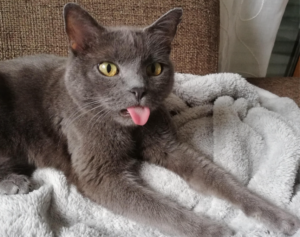
How to Stop Your Cat from Peeing on the Bed
Finding a yellow wet spot on the bed is every cat owner's nightmare. Before anything else, rule out disease: feline lower urinary tract disease (FLUTD) makes urination painful, so cats link the box with discomfort and seek softer spots like the bed. If peeing comes with straining, blood, or constant licking, see a vet. Non-medical causes are a disliked litter box (bad location, poor hygiene, wrong litter, too few boxes in multi-cat homes) and stress or anxiety. Fixes: upgrade the box, scoop twice daily, follow the n+1 rule, ease anxiety with play and pheromone spray, and remove the urine scent with an enzymatic cleaner plus detergent. Most cats return to normal in 2-3 weeks.
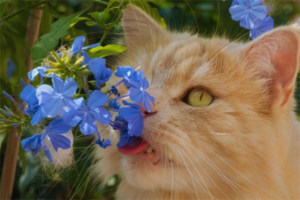
Can a Cat’s Personality Change?
A cat's personality can shift under certain conditions, influenced by negative experiences, health, age, and genetics. For example, a once sunny cat may become timid or depressed after abuse or the loss of a companion. To keep a cat's character stable and healthy, provide a steady environment, proper socialization, and plenty of affection.
Why Is Your Cat Panting in the Car? Causes and What to Do
If your cat pants with its mouth open on a car ride, don’t ignore it. In most cases—around 80%—it’s fear: indoor cats suddenly confined in a small, noisy, vibrating space experience a spike in adrenaline that speeds up heart and breathing, and open-mouth breathing is how they meet the higher oxygen demand. But panting can also signal heatstroke, carsickness, or an underlying heart or respiratory condition. This article explains the main causes, how to tell them apart, and a graded response—from calming a mildly stressed cat to urgent steps if the tongue turns blue—so travel becomes less frightening for everyone.
Is Your Cat Smart? Simple Tests and How to Boost Feline Intelligence
Cats, like people, vary in problem-solving speed and learning ability. You can gauge yours at home with three lighthearted tests: a "sock test" (how fast it frees itself), a "treat test" (whether it figures out how to reach a snack from an OK-sign hand), and a litter-box test (how it reacts to an un-scooped box). Some breeds, such as Siamese, Bengal, Ragdoll, and Maine Coon, are known for sharper social or spatial skills. To nurture intelligence, spend 30 minutes daily on hunting-style play, offer puzzle feeders, and rotate furniture layout, but keep training gentle to avoid stress.
100 Essential Tips Every New Cat Owner Should Know
Bringing home a first kitten is exciting but daunting, and poor care can hurt both of you. These 100 essentials cover diet (life-stage food, toxic grapes/chocolate/onion/garlic, no bones or raw meat, fresh water), daily care (brushing, nail and ear cleaning, litter hygiene, n+1 boxes), health (vaccines at 8–12 weeks, deworming, normal temperature 38–39.2°C, spay/neuter, no human meds), behavior (slow blinks, tail talk, no punishment), and home safety (screens, hiding wires, toxic plants, no smoke). Read them once and you'll share a calmer, healthier life with your cat.
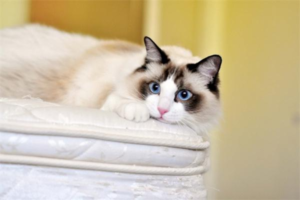
Does a Cat’s Personality Change After Neutering?
The belief that cats turn gentler after neutering is partly true but not guaranteed. Neutering removes the testes or ovaries and uterus, so a cat can no longer breed and its sex hormone levels drop. Without heat cycles driving hormones up, many cats become calmer and more stable, with less aggression and territorial drive, and they often accept petting more willingly. But the direction and size of any change depend on the cat's age, temperament, and environment. Some become more aloof and less social, and right after surgery a cat may act irritable and lose appetite from pain, fear, and the stress of the procedure. Others show no clear change at all, especially if their personality was already steady. Support your cat through mood swings with extra affection, a stable routine, private space, and more gentle interaction. Neutering does not rewrite a cat's core self, so stay patient and respect its individuality.
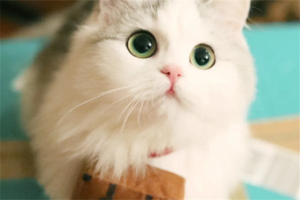
How to Stop a Cat From Scratching You
A cat that scratches its owner is a common headache, and the behavior is usually fixable once you understand why it happens. Scratching can stem from misunderstanding, anxiety, fear, or over-excitement, and often a cat is only trying to interact or ask for attention without meaning harm. Teach it that scratching makes you unhappy and can bring a consequence, and over time it learns to stop; for truly aggressive scratching, a firm loud noise startles without hurting, paired with calm positive reinforcement. Meet the underlying need by giving a proper scratching post or area, rewarding correct scratching, and offering varied toys and play to burn energy so it does not take it out on your hands. Learn the body language: a swishing tail, flattened ears, or a partly open mouth mean back off. Patience, trust, and the right outlet turn scratching into healthy habits.

What to Do About White Discharge in Your Cat’s Eye
White discharge usually signals an eye infection such as conjunctivitis, keratitis, or blepharitis, so identify the cause early. Discharge at the corner often means conjunctivitis—check for sneezing, runny nose, or fever, which point to a viral infection needing a vet; a white film over the eye needs prompt clinic care. At home, clean gently with saline, apply pet-specific antibacterial drops (neomycin sulfate, chloramphenicol, levofloxacin), boost vitamins A and C, and keep the environment clean. If no improvement in a few days, see a vet.