Search Results
148 results for “cat nose health signs”

Dog Panting After a Few Steps? Don’t Ignore Heart Trouble
A dog that pants heavily or struggles to breathe after only a short walk may be signaling heart disease rather than mere old age or extra weight. Key warning signs include a sudden drop in stamina, labored breathing at rest, blue-tinged gums, nighttime coughing, and lethargy. Early veterinary diagnosis and daily heart-care management can dramatically slow progression and extend your dog's life.

Canine Mitral Valve Insufficiency: Symptoms, Treatment, and Prevention
Mitral valve insufficiency is a degenerative heart-valve disease in which blood leaks backward from the left ventricle into the left atrium, accounting for roughly three-quarters of canine heart disease. Older small breeds are most affected and show exercise intolerance, coughing, and night-time breathing distress.
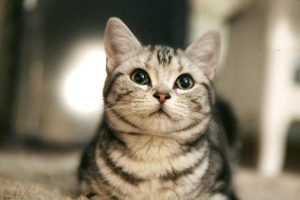
Feline Chlamydiosis: Symptoms, Treatment, and Prevention
Feline chlamydiosis is a contagious bacterial infection caused by Chlamydia felis, most often producing conjunctivitis but also rhinitis and pneumonia. It is treated with tetracycline-class antibiotics and isolation of affected cats.

What to Do When Your Dog Has an Upset Stomach or Diarrhea
Have you seen a dog eat grass and vomit? Eating grass signals stomach upset; check temperature. Normal dog temperature is 37.2 to 38.3 C. Do not self-treat, especially with human medicine - it may harm more.

What Is Feline Infectious Peritonitis (FIP) and Its Symptoms
FIP is an often-fatal disease; the coronavirus is the culprit. Many cats catch the coronavirus, but few develop FIP.

Feline Leukemia: Symptoms and Treatment
Feline AIDS and feline leukemia are topics owners avoid; clinically similar yet different. There is a separate article on feline AIDS for those interested.

Causes and Diagnosis of Dehydration in Dogs
Dehydration can be caused by many diseases or abnormalities, which fall into two broad categories: reduced fluid intake and increased fluid loss. This article explains the common causes and how veterinarians grade dehydration severity by skin elasticity and lab tests.

Diagnosing and Treating Salmonellosis in Dogs
A firm diagnosis of canine salmonellosis relies on fecal culture plus history and exam, since many other infections look alike. Treatment ranges from gut rest and supportive fluids to carefully chosen antibiotics. Strict hygiene prevents spread to other pets and people.
- « Previous
- 1
- …
- 13
- 14
- 15