Search Results
148 results for “cat nose health signs”

Pet Vomiting (Part 3): Vomiting from Internal Parasites and Toxicity in Dogs and Cats
Internal parasites living in a dog or cat's gut irritate the intestinal lining and trigger vomiting, sometimes expelling visible worms. Food poisoning causes far more violent vomiting along with seizures and drooling, and demands immediate induced vomiting and gastric lavage. Routine deworming and keeping toxic foods — onions, grapes, chocolate, macadamia nuts — out of reach are the best defenses.

What to Do When a Kitten Sneezes with a Clear Runny Nose
Clear, watery nasal discharge in a kitten usually means a mild common cold rather than rhinotracheitis — observe first if there's no fever or eye redness. Keep the environment clean and warm, add nutrition, and never give human cold medicine, which can harm the kidneys or liver.

How Weather Affects Your Cat’s Mood and Health
Cats feel weather as keenly as people do, storms, cold, heat, and humidity all shift their mood and health. Watch for heatstroke and hypothermia in extremes, and keep the home between 20 and 25 C with sun, warmth, and steady routine.

Why Your Cat Has Bad Breath
Cat bad breath usually traces to dental caries from soft food, mouth infections, poor digestion, or a vitamin B shortage. Brush the teeth, ease the gut with probiotics, and add B vitamins, and see a vet when the cause is unclear.

Common Causes and Treatment of Ringworm in Cats, Dogs, and Rabbits
Ringworm (dermatophytosis) is a highly contagious, zoonotic fungal infection that strikes animals with weak skin immunity — especially youngsters and those in damp, dirty surroundings — and can pass to humans. Treatment means isolating the pet, clipping and disinfecting lesions, antifungal sprays or ointments (plus oral antifungals and B-vitamins for severe cases, with liver support), and thorough environmental cleaning; rabbits need ivermectin-based mite control to prevent it. Keep the home dry and ventilated, bathe sparingly with pet shampoo, and use a little sunlight to stop outbreaks before they start.

Why Is My Cat Suddenly Coughing and Wheezing?
A sudden cough or wheeze can be a simple cold, a hairball, feline asthma, or a heartworm/airway issue — and a healthy cat that suddenly struggles to breathe likely has a cold or something worse. See a vet to pin down the cause and keep the air irritant-free.

Why Does My Cat Sneeze Every Day?
Frequent sneezing signals a problem — from a harmless ongoing irritant like dust or perfume to allergies, infection, or dental disease reaching the sinuses. Skip the antibiotics unless a vet confirms infection; human meds are toxic to cats.
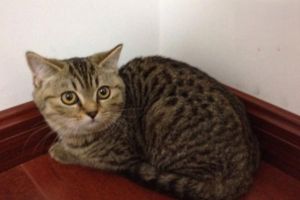
Can Cats Get a Fever?
Yes, cats do get fevers, though their naturally higher body temperature makes it hard to spot. Watch for a dry, hot nose, warm ears and tail tip, lethargy, and heavy drinking, and confirm with a rectal thermometer reading.

How to Give Your Cat a Home Health Check
A hands-on check covers body condition and spirit, then vitals (temperature, pulse, hydration) and a look at the eyes, nose, mouth, ears, skin, chin, anus, and genitals. Red flags such as gum redness, ear-mite crust, tapeworm segments, or a dirty chin mean a vet visit.

How to Help a Cat in Labor
Most cats deliver alone in 58–63 days, but a weak or dystotic cat may need help. Stay with her, and if labor stalls, gentle breast or abdominal massage releases oxytocin to aid contractions; keep her energized with glucose. For true dystocia—a visible kit she can't push out, or a narrow pelvis—get to a vet. After birth, clear the amniotic sac and airways, tie the cord, and warm the kitten.